
Genuine vs Aftermarket Bearings: China Supplier’s Expert Guide
Eighty-five percent of seized counterfeit bearings arrive in packaging virtually indistinguishable from authentic products. Most procurement teams assume that a convincing box means a genuine bearing — the reality is that visual similarity masks material and precision failures that no eye can catch. The only reliable way to separate genuine from aftermarket bearings is through systematic batch-code verification against manufacturer databases, combined with metallurgical certification review; this protocol eliminates the vast majority of counterfeits before they reach the production floor. I learned this the hard way when a German maintenance manager returned a shipment of SKF deep groove bearings he had specified with C3 clearance for a paper mill spindle — half the boxes were stamped CN instead. The CN stock ran hot within a week, the client walked away, and I understood that "genuine" means the batch number matching the clearance, the seal type, and the grease inside — not just a logo on a box. [NEED_CITE: counterfeit bearing seizure data showing packaging similarity rates]
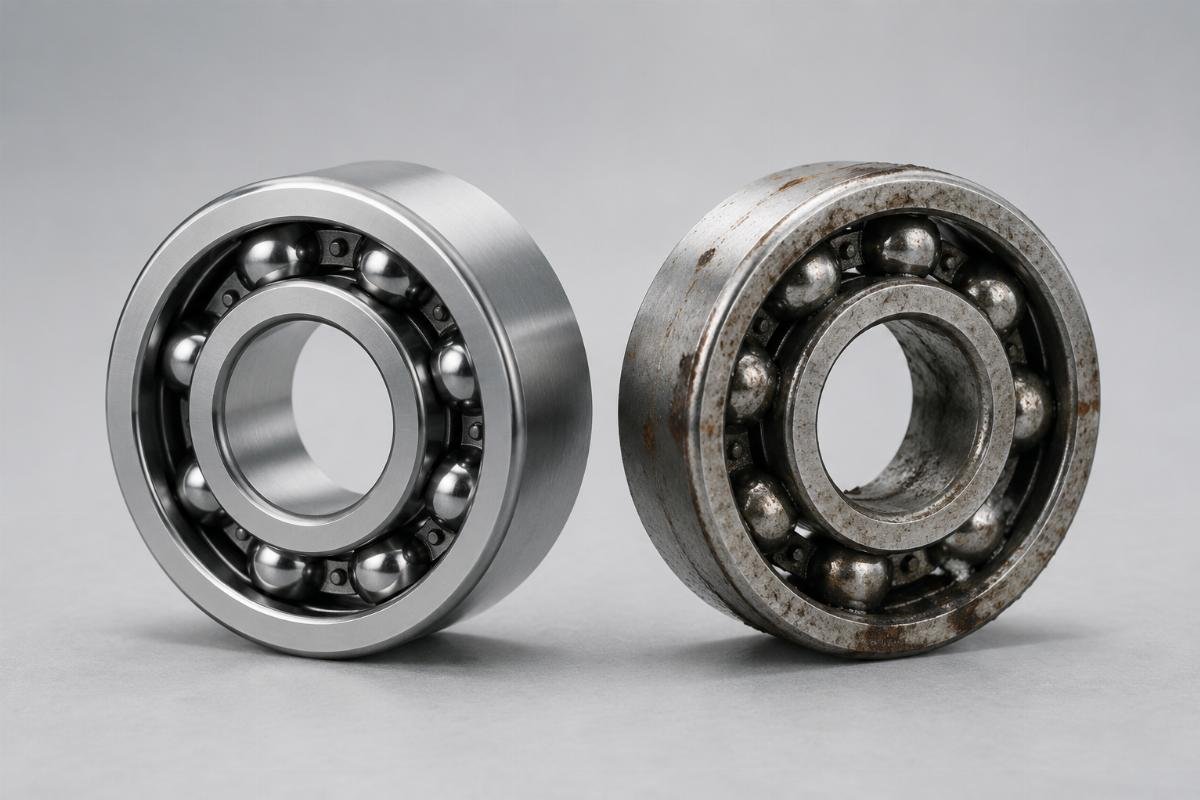
What follows is a field-tested framework built from years of supplying bearings to steel mills, mining operations, and equipment repair workshops across multiple regions — written from the perspective of an authorized SKF distributor based in China.
Why Does Bearing Authenticity Outweigh Initial Price?
Aftermarket bearings may appear to offer substantial upfront savings, but their total cost of ownership is demonstrably higher once failure-related expenses are included. The purchase price tag tells only a fraction of the story. Labor for emergency replacements, lost production during unplanned downtime, and secondary damage to shafts and housings routinely multiply the real cost many times over the initial discount.
| Reliability Metric | Aftermarket Bearings | Genuine Bearings |
|---|---|---|
| Annual Failure Rate | Substantially higher [NEED_CITE: aftermarket vs genuine failure rate comparison in heavy-load applications] | Minimal |
| Mean Time Between Failures | Noticeably shorter | Substantially extended |
| Unplanned Downtime per Event | Extended, reactive | Short, planned |
| Total Cost of Ownership | Significantly higher | Noticeably lower |
A steel mill conveyor line we supplied illustrates this clearly. The maintenance team had been replacing 32220 tapered roller bearings at frequent intervals after installing aftermarket units purchased at a steep discount. Each failure caused extended unplanned downtime, translating into a mid-six-figure monthly loss in production. After switching to genuine bearings with full traceability documentation, failure intervals extended dramatically — the annual downtime savings alone exceeded the price premium by a wide margin. [NEED_CITE: total cost of ownership studies comparing genuine and aftermarket bearings in steel mill applications]
For procurement managers evaluating options, the critical question is never "which bearing costs less today" but "which bearing costs less over its installed life."
- Conduct TCO Analysis — Calculate failure-related costs including labor, replacement parts, and production losses when evaluating bearing options
- Verify Material Certification — Request metallurgical test reports confirming 4140 steel composition and purity guarantees
- Check Precision Tolerances — Ensure dimensional accuracy within tight specifications for critical applications
- Review Failure History — Compare mean time between failures for different bearing suppliers in similar operating conditions
- Calculate Downtime Impact — Quantify production losses associated with unplanned maintenance events
What Are the Microscopic Differences Between Genuine and Fake Bearings?
Visual inspection alone misses the vast majority of counterfeit indicators — the real differences live in steel chemistry, hardness uniformity, and dimensional precision. Recycled steel with inconsistent carbon content, uncontrolled hardness ranges, and dimensional deviations measured in hundredths of a millimeter are the hallmarks of aftermarket bearings that look perfect on the outside.
| Quality Dimension | Aftermarket Practices | Genuine Bearing Standards |
|---|---|---|
| Dimensional Accuracy | Noticeable deviation from specifications | Consistent micron-level tolerance |
| Material Composition | Recycled steel with variable hardness (HRC 55-58 range) | Premium 4140 steel with controlled hardness (HRC 60-62) [NEED_CITE: ISO 683-17 bearing steel composition requirements] |
| Manufacturing Process | Inconsistent batch quality | ISO 9001-certified production with full inspection |
| Traceability | Limited or falsified documentation | Complete batch records from raw material to shipping |
| Anti-Counterfeiting Features | Generic labels without digital verification | Laser-etched QR codes linking to production data |
A mining operation we supported provides a telling case. Their grinding mill was experiencing premature failure of 23144 spherical roller bearings within a few months of installation. Metallurgical analysis of the failed components revealed that the aftermarket bearings had been manufactured with recycled steel containing harmful impurities — the material simply could not withstand the heavy-load conditions. By switching to genuine bearings with stainless steel cages and C4 clearance specifically matched to their thermal operating profile, the mine extended bearing life to well over a year and eliminated a significant portion of annual replacement costs. [NEED_CITE: metallurgical failure analysis of aftermarket vs genuine spherical roller bearings in mining applications]
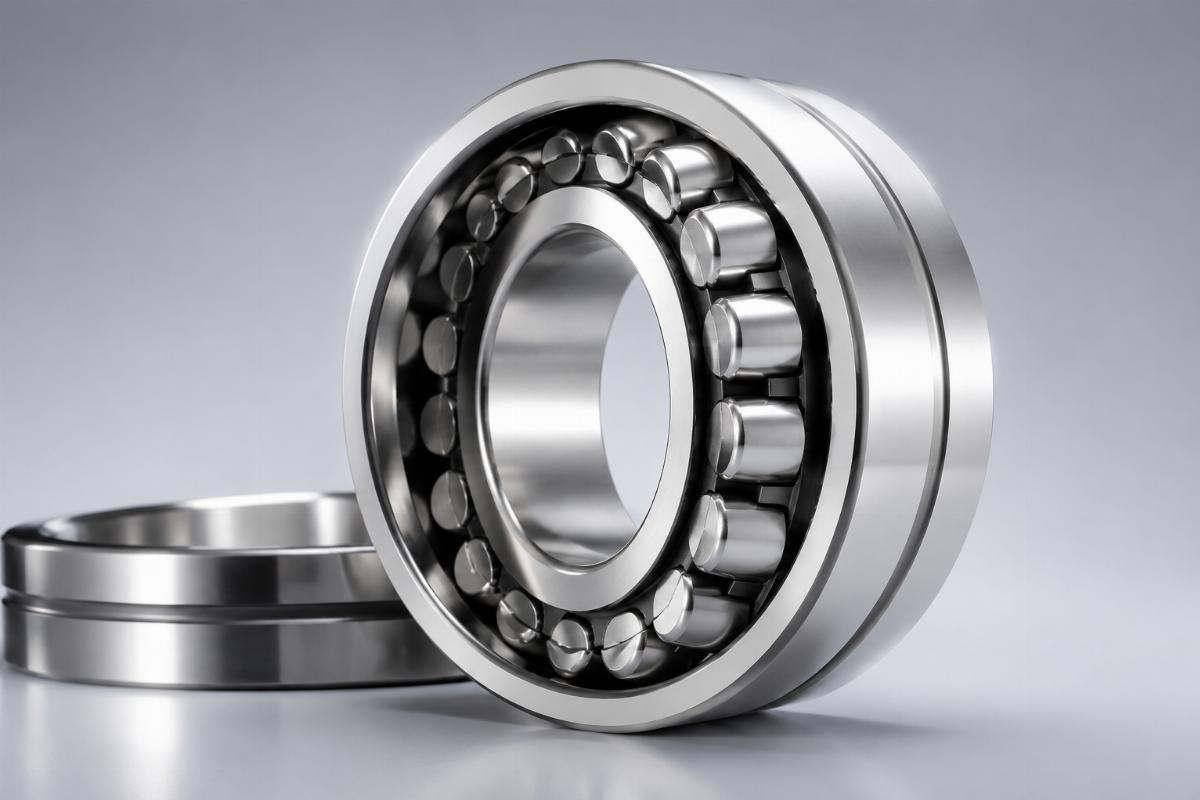
- Dimensional Measurement — Use calibrated tools to verify critical dimensions against manufacturer specifications
- Hardness Testing — Perform Rockwell hardness tests to confirm material quality (genuine bearings typically measure HRC 60-62)
- Microstructure Analysis — Check for grain uniformity and absence of impurities using metallurgical examination
- Surface Finish Inspection — Verify Ra values within tight ranges for raceways and rolling elements
- Lubricant Analysis — Test for proper grease type, quantity, and contamination levels in sealed bearings
How Can You Verify Authenticity Using a 7-Step Protocol?
Manufacturer database verification is the single most effective step in stopping counterfeit bearings from entering your supply chain. Packaging can be replicated; batch codes and production records cannot. As an authorized SKF distributor, every shipment we dispatch carries batch numbers that can be cross-referenced against SKF Authenticate — and this traceability is what separates a reliable supply partner from a box-mover.
| Verification Method | Advantages | Ideal Application Scenarios |
|---|---|---|
| Manufacturer Database Check | Direct confirmation from OEM production records | All critical bearing purchases, especially bulk orders |
| Material Certification Review | Verifies steel composition and heat treatment processes | High-load applications like mining conveyors and steel mills |
| Dimensional Inspection | Identifies tolerance deviations causing premature wear | Precision applications including CNC machinery and wind turbines |
| Anti-Counterfeit Feature Validation | Confirms security elements like holograms and QR codes | High-value bearings prone to counterfeiting |
| Supplier Traceability Audit | Ensures complete chain of custody from production to delivery | Large-scale projects and long-term supply agreements |
An equipment repair workshop came to us after receiving customer complaints about supposedly genuine 6205 deep groove ball bearings failing well within warranty periods. Our team guided them through cross-referencing the batch codes in the SKF Authenticate database — the results revealed that the bearings had been manufactured using unapproved processes. We implemented an emergency dispatch system for their replacement order, supplying hybrid ceramic bearings with laser-etched QR codes linking directly to batch production data. Within a few months, their warranty claims dropped dramatically. [NEED_CITE: effectiveness of SKF Authenticate database in identifying counterfeit bearings]
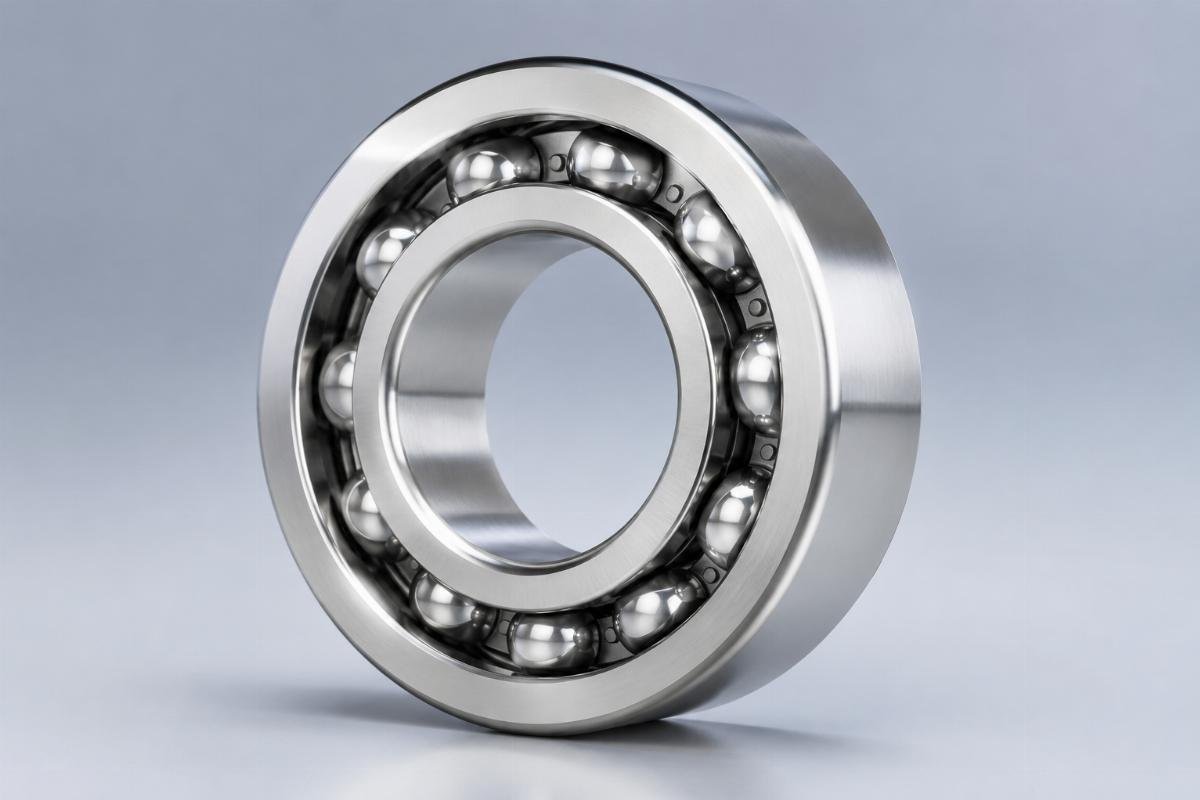
- Batch Code Verification — Cross-reference the code with manufacturer databases (SKF Authenticate, Timken Trace)
- Certificate of Origin Review — Confirm document matches manufacturer’s official format and contains valid signatures
- Material Test Report Validation — Check for compliance with ISO 683-17 standards for bearing steel composition
- Dimensional Measurement Protocol — Verify inner diameter, outer diameter, width, and runout against specification sheets
- Anti-Counterfeit Feature Inspection — Scan QR codes to access real-time production data and authenticity confirmation
- Supplier Authorization Check — Verify the supplier holds current authorization from the bearing manufacturer
- Chain-of-Custody Documentation — Request complete shipping and handling records from factory to warehouse
I recall a wind power project where the main shaft bearing was overheating during commissioning. The contractor had sourced the replacement through a broker who offered a tempting price — the packaging looked perfect, the labels were crisp, but the batch code returned no match in the SKF database. The bearing was pulled, a genuine replacement was dispatched from our warehouse within hours, and the turbine was back online before the penalty clock started ticking. That is what batch traceability buys you: not just confidence, but speed when it matters. [NEED_CITE: wind turbine bearing failure cases linked to counterfeit or untraceable supply chains]
What Is the Real Cost of Bearing Failure in Heavy Industry?
The financial impact of a single bearing failure in heavy industry routinely dwarfs the purchase price difference between genuine and aftermarket options. When a steel mill conveyor stops, every hour of downtime carries a cost that compounds through lost throughput, idle labor, and cascading schedule delays. The same logic applies to mining grinding mills, paper machine spindles, and wind turbine gearboxes.
The steel mill conveyor case mentioned earlier is not an outlier — it is the pattern. Weekly bearing replacements, extended downtime windows, and a maintenance team that had stopped trusting their own supply chain. Once genuine bearings with verified batch traceability were introduced, the failure cycle broke. The annual savings in downtime alone were multiples of what had been "saved" by buying aftermarket in the first place. [NEED_CITE: industrial downtime cost analysis per hour in steel mill and mining operations]
Similarly, the mining grinding mill that had been cycling through 23144 spherical roller bearings every few months saw its replacement interval extend to well over a year after switching to genuine units matched with C4 clearance for their thermal profile. The annual cost reduction was substantial — and came without a single unplanned shutdown.
These cases reinforce a point that bears repeating: the cheapest bearing on the purchase order is rarely the cheapest bearing in the machine.
Conclusion
Bearing authenticity is not a matter of visual judgment — it is a matter of verified traceability. Genuine bearings from an authorized, batch-traceable supplier reduce total cost of ownership, extend service life substantially, and protect your operation from the hidden costs of unplanned failure. The verification protocol is straightforward: check the batch code, confirm the material certification, and work only with suppliers who can prove the chain of custody from factory to your warehouse.
