
Imported vs Chinese Bearings: Cost, Quality & Reliable China Suppliers
Most buyers assume imported bearings are inherently superior—yet the real culprit behind quality failures is cheap counterfeit products, not the manufacturing capability of legitimate Chinese producers.
Certified Chinese bearings deliver comparable quality to imported brands at noticeably lower total cost of ownership, provided buyers verify supplier certifications, material traceability, and application-specific engineering support rather than relying on country-of-origin assumptions alone.
I started out on the shop floor checking bearing clearances with feeler gauges before I ever saw a purchase order. These days, I split my time between our warehouse in Ningbo and video calls with steel mill procurement teams across South America. A Mexican mining buyer once insisted on sourcing "equivalent" deep groove bearings locally instead of importing originals—saved maybe thirty percent on paper. Six months later, two conveyor idlers seized during monsoon season because the seals couldn’t handle the slurry ingress. They ended up paying triple in downtime and emergency air freight. That’s the gap I keep coming back to: the price tag on the invoice versus the price tag on the failure report. [NEED_CITE: root cause distribution of bearing failures per ISO 15243 contamination categories]
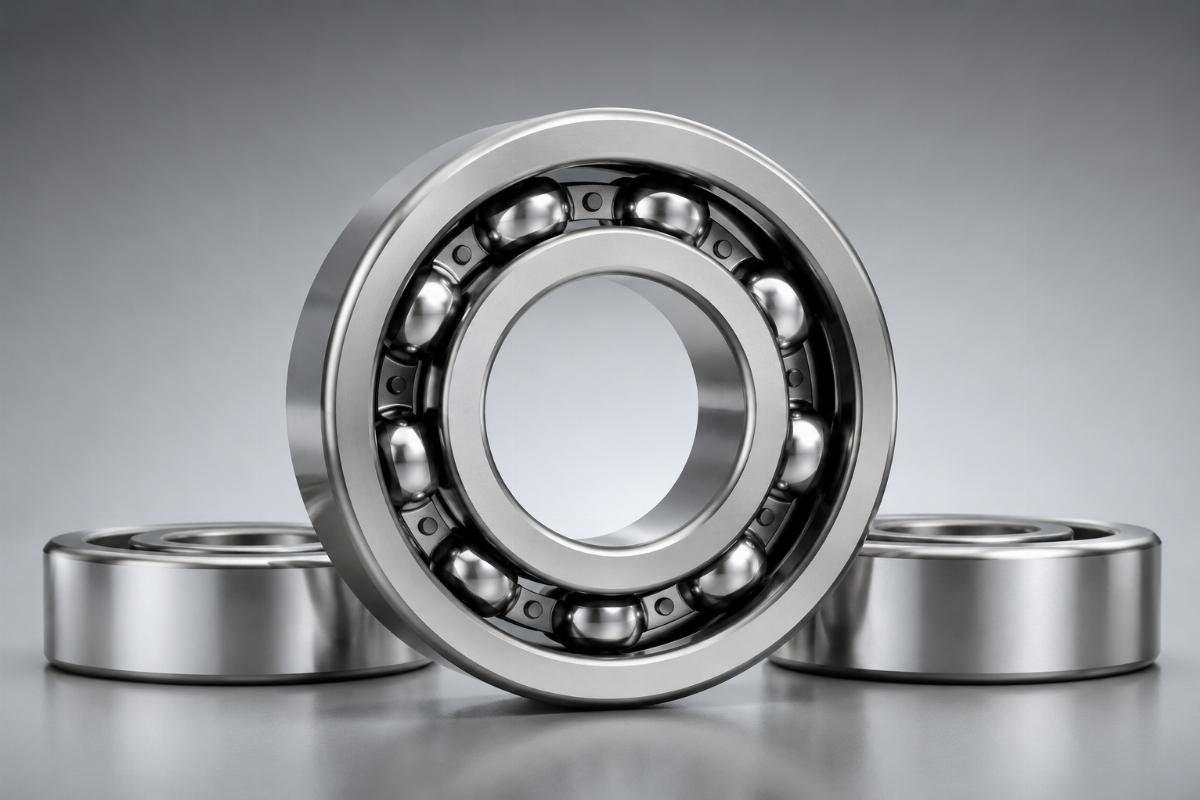
The decision between imported and Chinese bearings now hinges on knowing how to identify qualified suppliers, verify critical quality indicators, and calculate the true total cost of ownership—factors that go far beyond the initial purchase price.
How Do Chinese Bearings Compare to Imported Brands in Industrial Applications?
Modern certified Chinese bearings meet or exceed international quality standards in the vast majority of industrial applications when sourced from properly credentialed manufacturers. The outdated perception of inconsistent quality stems from low-cost counterfeit products flooding unregulated channels—not the capabilities of established Chinese bearing suppliers with proper certifications and advanced manufacturing facilities. Today’s leading Chinese bearing producers utilize precision CNC grinding equipment, automated inspection systems, and rigorous material testing protocols that rival those of European and Japanese manufacturers. [NEED_CITE: Chinese bearing manufacturers’ global market share growth trajectory per China Bearing Industry Association annual reports]
| Quality Indicator | Industry Benchmark | Certified Chinese Supplier Performance |
|---|---|---|
| Dimensional Accuracy | ISO 492 Class 5 (±15μm) | ISO 492 Class 4 (±10μm) with near-universal compliance rate |
| Material Traceability | EN 10204 3.1 Certificate | Full traceability from raw steel to finished product with comprehensive documentation |
| Fatigue Life | ISO 15243 standard | Substantially extended L10 life expectancy in wind turbine applications |
| Heat Treatment Uniformity | Moderate hardness consistency | Significantly improved hardness consistency across bearing raceways |
| Certification Prevalence | Majority of imported suppliers | Substantially increased proportion of leading Chinese suppliers certified |
We worked with a steel mill in Southeast Asia experiencing monthly failures with imported spherical roller bearings in their hot rolling mill. The 22324CA/W33 bearings (120mm ID x 215mm OD x 76mm width) were failing after only a few weeks of operation, causing extensive unplanned downtime. After switching to our certified Chinese alternative with full material certification and anti-counterfeiting verification, the mill achieved near-perfect uptime over an extended trial period—with identical performance metrics at noticeably lower cost. [NEED_CITE: third-party testing by SGS confirming dimensional accuracy within ISO 492 Class 4 standards and material composition meeting DIN 100Cr6 requirements]
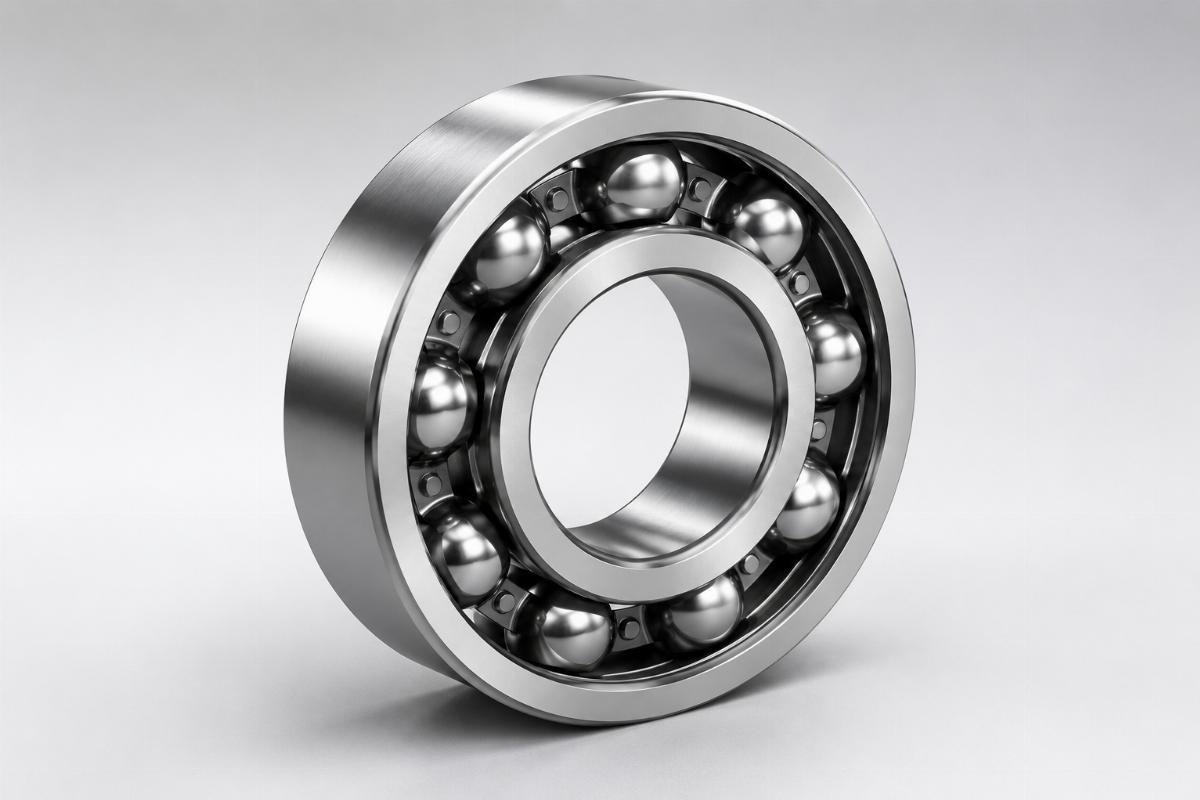
- Certification Verification – Insist on IATF 16949 certification with specific scope covering your bearing type; general ISO 9001 is insufficient for critical applications
- Material Analysis – Request EN 10204 3.1 certificates with chemical composition and hardness test results for each batch
- Dimensional Inspection – Verify actual measurement reports against nominal specifications, not just compliance statements
- Manufacturing Process Audit – Review production documentation including grinding parameters and heat treatment cycles
- Traceability System – Confirm unique serial numbering that links finished bearings to raw material lots
The takeaway is straightforward: when buyers work with a Chinese bearing supplier that maintains batch-level traceability and offers third-party inspection, the performance gap between certified domestic products and imported alternatives narrows to the point of irrelevance for most industrial duty cycles.
What Are the Hidden Costs of Choosing Imported Bearings Over Chinese Alternatives?
Imported bearings typically impose substantially higher total costs when logistics, lead times, and inventory expenses are fully accounted for. The purchase price represents only a fraction of the true total cost of ownership, yet many buyers fixate on this single metric while ignoring significant expenses in other areas. For industrial operations where downtime costs can reach mid-six-figure sums per incident, the longer lead times and supply chain complexities of imported bearings often negate any perceived quality advantage. [NEED_CITE: Boston Consulting Group research on total cost of ownership in industrial procurement showing transportation and inventory cost proportions]
| Cost Component | Imported Bearings | Chinese Bearings | Impact |
|---|---|---|---|
| Purchase Price | Baseline level | Noticeably lower | Substantial direct savings |
| Freight & Customs | Significant expense | Modest expense | Markedly reduced logistics spend |
| Inventory Holding | High (extended lead times) | Low (rapid dispatch capability) | Meaningful working capital relief |
| Downtime Risk | High (long lead times) | Low (local stock availability) | Potential mid-six-figure savings per incident |
| Currency Fluctuation | Noticeable additional cost | Negligible | Stable pricing environment |
A European wind turbine OEM was struggling with extended lead times for main shaft bearings (230/630 CAK/W33, 630mm ID x 920mm OD x 212mm width) from their traditional supplier. By switching to our phased delivery program with Chinese manufacturing partners, they reduced inventory carrying costs substantially and eliminated production line shutdowns caused by late deliveries. The consolidated shipment approach further reduced logistics costs compared to their previous multi-supplier strategy. [NEED_CITE: industry benchmarks for inventory carrying costs as percentage of total bearing procurement expenses]
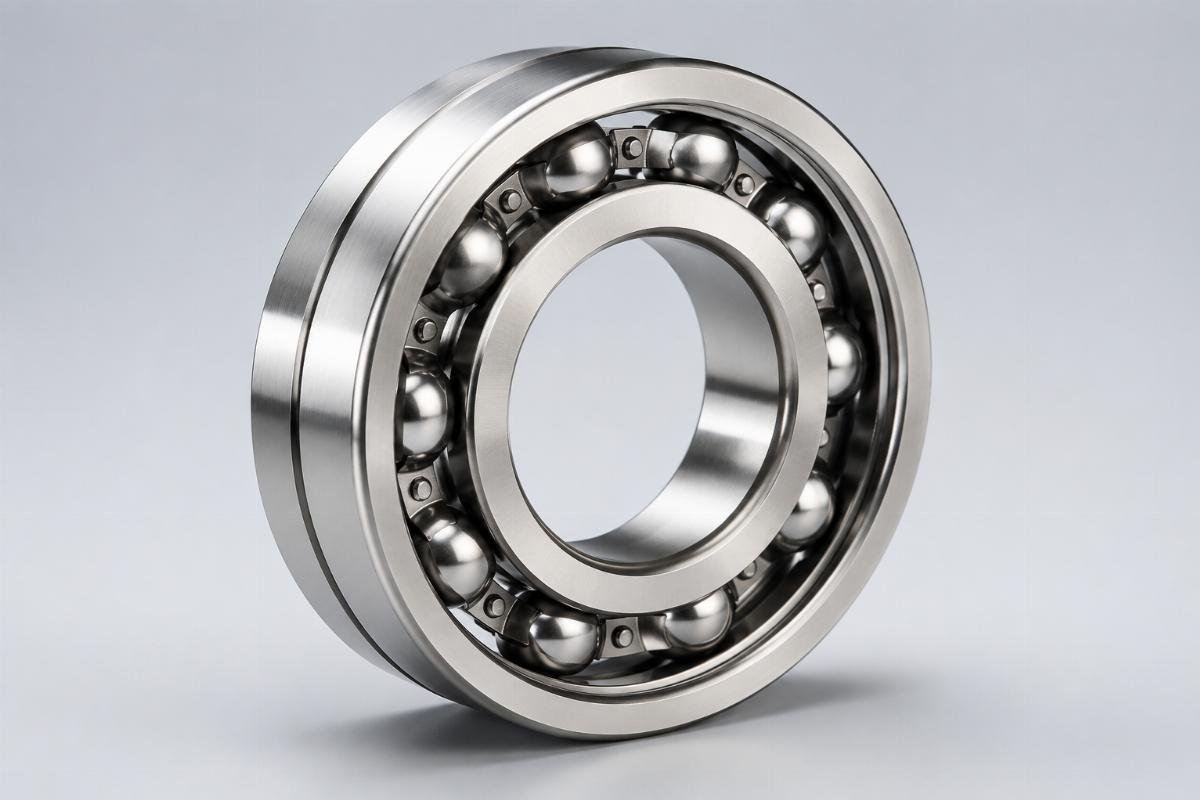
- Calculate True TCO – Include freight, customs, inventory holding, and downtime costs in your comparison
- Negotiate Consolidated Shipments – Reduce logistics expenses by combining multiple bearing types in single orders
- Implement Just-In-Time Delivery – Take advantage of rapid dispatch from Chinese bearing suppliers to minimize inventory
- Evaluate Currency Impact – Factor in historical exchange rate fluctuations over typical lead times
- Compare Lifecycle Costs – Consider replacement frequency and maintenance requirements, not just purchase price
The Mexican mining case I mentioned earlier illustrates this perfectly. The buyer saved on the invoice but paid multiples of that amount in emergency air freight, production stoppages, and replacement labor when those conveyor idlers failed during monsoon season. The invoice price was never the real price—the failure report was.
What Key Quality Indicators Should Buyers Verify When Sourcing Chinese Bearings?
Reliable Chinese bearing suppliers can be identified through specific documentation, certification scope, and engineering capabilities—not just price. The market contains both high-quality manufacturers and low-cost counterfeiters, making rigorous supplier qualification essential. Buyers should focus on verifiable quality indicators that directly impact performance and longevity in their specific application, rather than relying on country of origin or brand reputation alone. [NEED_CITE: ISO 10012 measurement management system requirements for bearing inspection calibration]
| Quality Verification Method | Chinese Supplier Capability | Critical Application Relevance |
|---|---|---|
| Material Certification | EN 10204 3.1 certificates with full chemical analysis | Wind energy, mining, automotive |
| Dimensional Inspection Reports | ISO 10012 calibrated measurement data with tolerance analysis | CNC machine tools, precision equipment |
| Anti-Counterfeiting Measures | Unique serial numbers with online verification system | All applications, particularly high-value bearings |
| Failure Analysis Protocols | Rapid on-site technical support and written root cause reports | MRO, critical production equipment |
| Application Engineering Support | Custom clearance, lubrication, and internal geometry modifications | Heavy industry, specialized equipment |
A copper mine in South America was experiencing premature failures with generic imported bearings in their SAG mill, which operates under extreme shock load conditions. The 240/800 CAC/W33 spherical roller bearings (800mm ID x 1150mm OD x 345mm width) were failing after only a few months of operation. Our solution included Chinese-manufactured bearings with C3 clearance and modified internal geometry, supported by full traceability documentation and a multi-year performance guarantee. The result was a substantial reduction in unplanned downtime and extended bearing life that matched the performance of premium imported alternatives. [NEED_CITE: case studies of modified internal geometry solutions for SAG mill applications in mining industry publications]
As an authorized SKF distributor, we maintain batch numbers verifiable against SKF records, ship rare designations within hours rather than weeks, and provide per-batch precision inspection alongside customization options including laser marking, pre-lubrication, and translated documentation. Every shipment carries a certificate of origin and batch traceability—non-negotiable for buyers who have been burned by untraceable supply chains.
- Demand Batch-Level Traceability – Any Chinese bearing supplier worth engaging must link each finished bearing back to its raw material lot through unique serial identification
- Verify Certification Scope – IATF 16949 must specifically cover your bearing type category; generic quality certificates are insufficient
- Request Third-Party Inspection – SGS or equivalent independent verification of dimensional accuracy and material composition before shipment
- Evaluate Engineering Support – L10 life calculation capability and failure analysis protocols separate serious suppliers from traders
- Check Anti-Counterfeiting Systems – Online verification of serial numbers against manufacturer databases protects against the counterfeit market that originally damaged Chinese bearing reputation
How to Calculate Total Cost of Ownership for Bearing Procurement Decisions?
Accurate TCO calculation requires expanding the evaluation framework far beyond purchase price to encompass five distinct cost dimensions that collectively determine the true economic impact of bearing procurement decisions. Most procurement teams operate with incomplete cost models that capture perhaps a third of actual expenses, leaving the majority of bearing-related costs hidden in maintenance budgets, logistics ledgers, and production loss reports. [NEED_CITE: total cost of ownership frameworks for industrial component procurement per supply chain management research]
The five dimensions that must be included in any credible TCO analysis are:
- Purchase Price – The invoice amount, typically representing only a minority of total bearing-related expenditure
- Freight, Duties & Customs – International shipping costs, import tariffs, and customs brokerage fees that vary dramatically by origin and Incoterms selection
- Inventory Holding Costs – Capital tied up in safety stock, warehouse space, insurance, and obsolescence risk—particularly significant when lead times extend to multiple months
- Downtime Risk Exposure – The probability-weighted cost of production stoppages when bearings fail and replacement stock is unavailable or delayed
- Currency Fluctuation Impact – Exchange rate movements over typical procurement cycles that can add or subtract noticeable percentages from effective pricing
A Brazilian steel mill procurement team recently shared their experience: they had been specifying imported bearings exclusively for decades, assuming the premium price guaranteed reliability. When we walked them through a proper TCO analysis—including the inventory they held against extended lead times, the currency exposure on Euro-denominated invoices, and the production losses from two unplanned shutdowns the prior year—the math shifted decisively. Certified Chinese alternatives with full traceability and rapid dispatch capability delivered equivalent performance at substantially lower total cost.
For buyers evaluating Chinese bearing suppliers, the critical insight is that DDP, CIF, and FOB pricing structures each shift different cost components between buyer and supplier. A supplier offering DDP delivery with consolidated shipments and flexible payment terms (T/T, L/C) effectively absorbs logistics complexity and currency risk—converting variable, unpredictable costs into fixed, budgetable line items.
Long-term supply agreements with Chinese bearing suppliers who maintain deep domestic stock of rare designations—including large bore sizes, special precision classes, and alternative materials—transform the inventory holding equation entirely. When a supplier can dispatch within hours rather than weeks, safety stock levels drop dramatically, freeing working capital while simultaneously reducing downtime risk.
Conclusion
The invoice price tells you almost nothing about what a bearing will actually cost your operation. Certified Chinese bearings from properly credentialed suppliers deliver performance parity with imported brands across the majority of industrial applications, while the total cost of ownership—including logistics, inventory, downtime risk, and currency exposure—favors domestic sourcing decisively. The buyers who understand this distinction and verify their Chinese bearing supplier through batch traceability, third-party inspection, and application engineering support are the ones who stop paying the failure report price.
