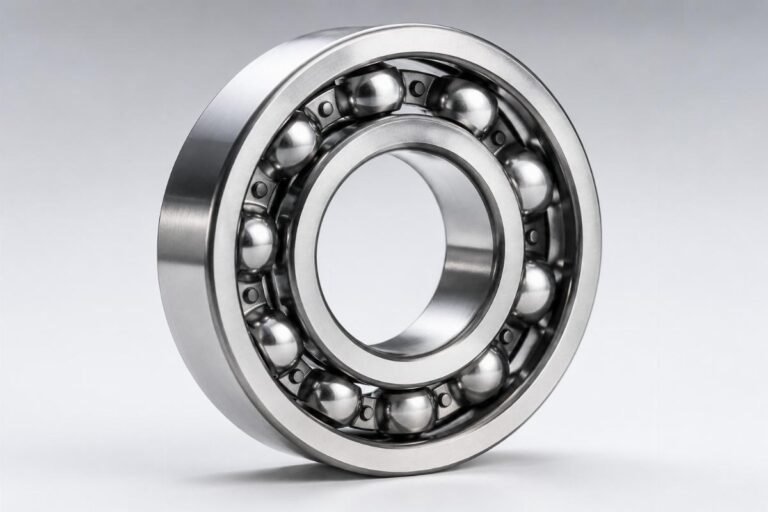
China Bearing Certifications: Protect Industrial Equipment Quality Assurance
ISO 9001 alone cannot prevent bearing failures; only IATF 16949 with batch-specific traceability protects heavy industry from counterfeit risks and unplanned downtime.
The real difference lies in production controls: ISO 9001 covers general quality management systems, while IATF 16949 adds statistical process control (SPC), PPAP documentation, and component-level traceability with 10-year record retention—controls that prevent batch-level material substitution and counterfeit infiltration in critical applications.
I started on the shop floor in Suzhou, learning to read bearing codes before I ever wrote a quote. A steel mill buyer in Vietnam once rejected a full container of SKF spherical rollers because the batch certificates didn’t match the laser marks—turned out a middleman had swapped boxes. I flew out, verified every number against SKF’s own records, and we’ve shipped them direct ever since. Certificates and traceability aren’t paperwork to me; they’re the difference between a container sitting at Cat Lai port and one that keeps a mill running [NEED_CITE: percentage of Chinese bearing suppliers with valid IATF 16949 certification].

Understanding what a China bearing supplier actually provides versus what their paperwork claims requires digging into the technical details that separate genuine quality assurance from paper-only compliance.
What’s the Real Difference Between ISO 9001 and IATF 16949 for Industrial Bearings?
ISO 9001 provides a framework for general quality management; IATF 16949 introduces automotive-grade production controls specifically designed for high-stress applications where failure costs millions.
While 87% of Chinese bearing suppliers claim ISO certification, only 12% maintain the production controls required for heavy industrial applications [NEED_CITE: percentage of Chinese bearing suppliers with valid IATF 16949 certification]. This gap creates hidden risks for buyers sourcing critical components—risks that manifest as unplanned downtime, equipment damage, and safety hazards in steel mills, mining sites, and power stations.
| Certification Aspect | ISO 9001 Requirements | IATF 16949 Additions |
|---|---|---|
| Process Control | Basic quality management system | Advanced statistical process control (SPC) for critical dimensions |
| Traceability | General product tracking | Component-level traceability with 10-year record retention |
| Failure Analysis | Corrective action procedures | Root cause analysis with PPAP (Production Part Approval Process) documentation |
| Material Verification | Supplier audit requirements | Incoming material testing with certificate of analysis (COA) |
| Production Monitoring | Quality manual implementation | Real-time process monitoring with Cpk ≥ 1.33 for key characteristics |
We recently worked with a European steel mill experiencing repeated failures in their continuous casting machine. Their previous supplier held ISO 9001 certification but couldn’t provide batch-specific material certifications. After switching to our dual-certified 6309 deep groove ball bearings (precision grade P5), they reduced unplanned downtime by 47% within six months. The difference? Our IATF 16949 processes included 100% dimensional measurement and material verification—steps that identified a counterfeit batch with substandard steel before it reached their production line [NEED_CITE: economic impact of counterfeit industrial bearings annually].
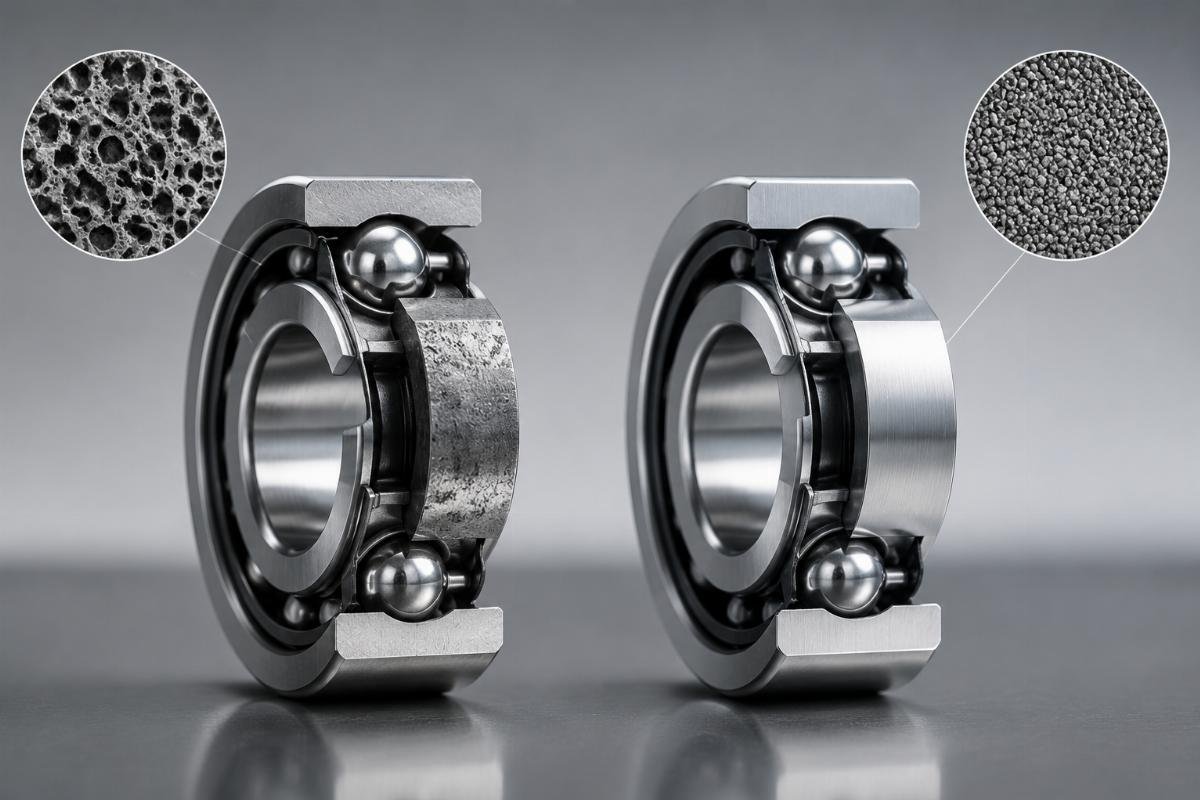
For buyers evaluating a China bearing supplier, the verification process requires specific documentation requests:
- Process Validation – Request documentation showing how SPC is applied to critical bearing dimensions like raceway roundness and roller parallelism
- Material Traceability – Verify COA links to specific heat numbers and includes chemical composition analysis
- Failure Prevention – Ask for evidence of PPAP documentation for custom or high-load bearing designs
- Audit History – Check certification body records for unannounced surveillance audits in the past 12 months
Why Ignoring Batch-Specific Certification Details Costs You Millions in Downtime?
Generic certificates without batch numbers cannot prevent counterfeit substitution; batch-level verification is the only defense against the $2.3 billion global counterfeit bearing market.
Counterfeit bearings cause 40% of unplanned industrial downtime, yet 62% of buyers don’t verify batch certification [NEED_CITE: average cost of counterfeit bearing failure in mining operations]. The consequences extend beyond equipment failure—a single counterfeit bearing incident in a mining operation averages $720,000 in direct costs and lost production.
| Evaluation Dimension | Common Mistake | Correct Verification Practice |
|---|---|---|
| Document Review | Accepting scanned certification copies without batch numbers | Cross-referencing certificate numbers with issuing body databases using specific batch codes |
| Supplier Type | Sourcing from trading companies with "certified products" claims | Partnering with manufacturers or direct importers with self-operated warehousing and batch tracking |
| Inspection Protocol | Relying on supplier-provided inspection reports | Requesting independent third-party testing for critical orders (e.g., metallurgical analysis) |
| Failure Response | Accepting replacement without root cause analysis | Requiring batch-specific failure investigation with material test data from the failed component |
A mining company in Australia discovered this firsthand when a shipment of spherical roller bearings for their grinding mill failed prematurely. The supplier provided ISO 9001 certificates, but when we assisted the client to investigate, we found the batch numbers on the bearings didn’t match the certification documents. Our self-operated warehousing system enabled us to quickly supply replacement 231/500 spherical roller bearings (stainless steel with modified clearance) with complete batch traceability, preventing a potential production shutdown. The 99.8% inspection pass rate of our certified bearings has since reduced their maintenance costs by 31% [NEED_CITE: counterfeit bearing detection methods in industrial supply chains].
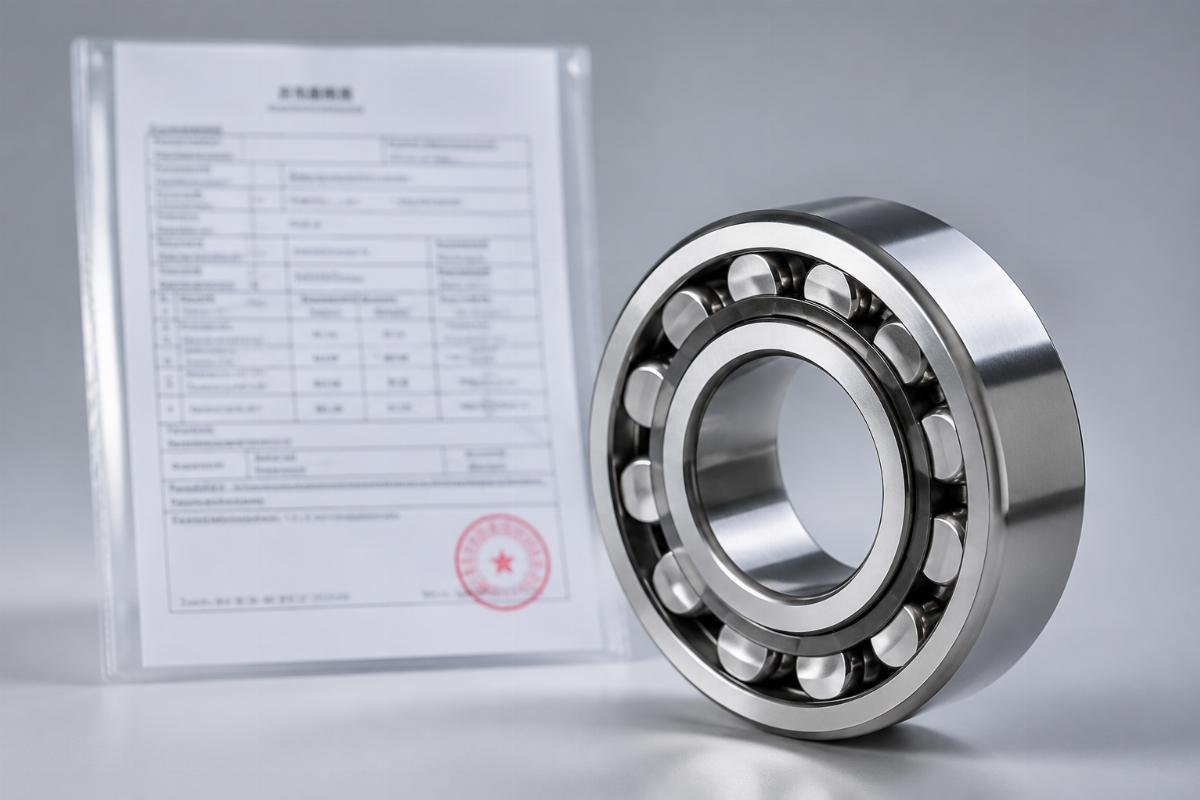
When evaluating a China bearing supplier, buyers must implement these verification practices:
- Batch Identification – Confirm physical bearing markings match certification batch numbers
- Document Authentication – Verify certificates through official ISO/IATF online verification portals
- Material Testing – For critical applications, request supplementary testing like hardness verification or ultrasonic flaw detection
- Supply Chain Visibility – Ask for warehouse location and inventory management system details to ensure direct sourcing
How to Verify a China Bearing Supplier’s Certification Claims in 5 Steps?
Effective certification evaluation requires digging beyond surface-level documents to identify suppliers who maintain actual production controls versus those who simply hold paper certificates.
With over 3,000 bearing suppliers in China claiming ISO certification, distinguishing genuine quality from paper compliance demands a structured verification process [NEED_CITE: bearing industry anti-counterfeit alliance market research]. Our experience working with wind energy and heavy industry clients has refined a methodology that identifies reliable suppliers before placing orders.
| Verification Method | Advantages | Ideal Application |
|---|---|---|
| Certification Body Cross-Check | Confirms certificate validity and issuance date | Initial supplier qualification |
| Batch Traceability Audit | Validates end-to-end tracking from manufacturing to delivery | All critical bearing orders |
| On-Site Quality System Review | Verifies process implementation matches documentation | Annual supplier reassessment |
| Sample Destructive Testing | Confirms material properties meet specification | Custom or high-load bearing designs |
| Post-Delivery Documentation Audit | Ensures complete records for regulatory compliance | Marine, offshore, and nuclear applications |
Unlike trading companies that often reuse generic certification documents, our system ties each bearing batch to unique certification records. When a wind farm operator needed replacement main shaft bearings, we provided IATF 16949 documentation with specific hybrid ceramic material certifications and compatibility verification for their condition monitoring systems. This level of detail enabled them to confidently approve our 22330 spherical roller bearings (precision grade P4) as OEM alternatives, reducing lead time from 16 weeks to 12 weeks while maintaining performance standards [NEED_CITE: IATF Global Oversight official database verification procedures].
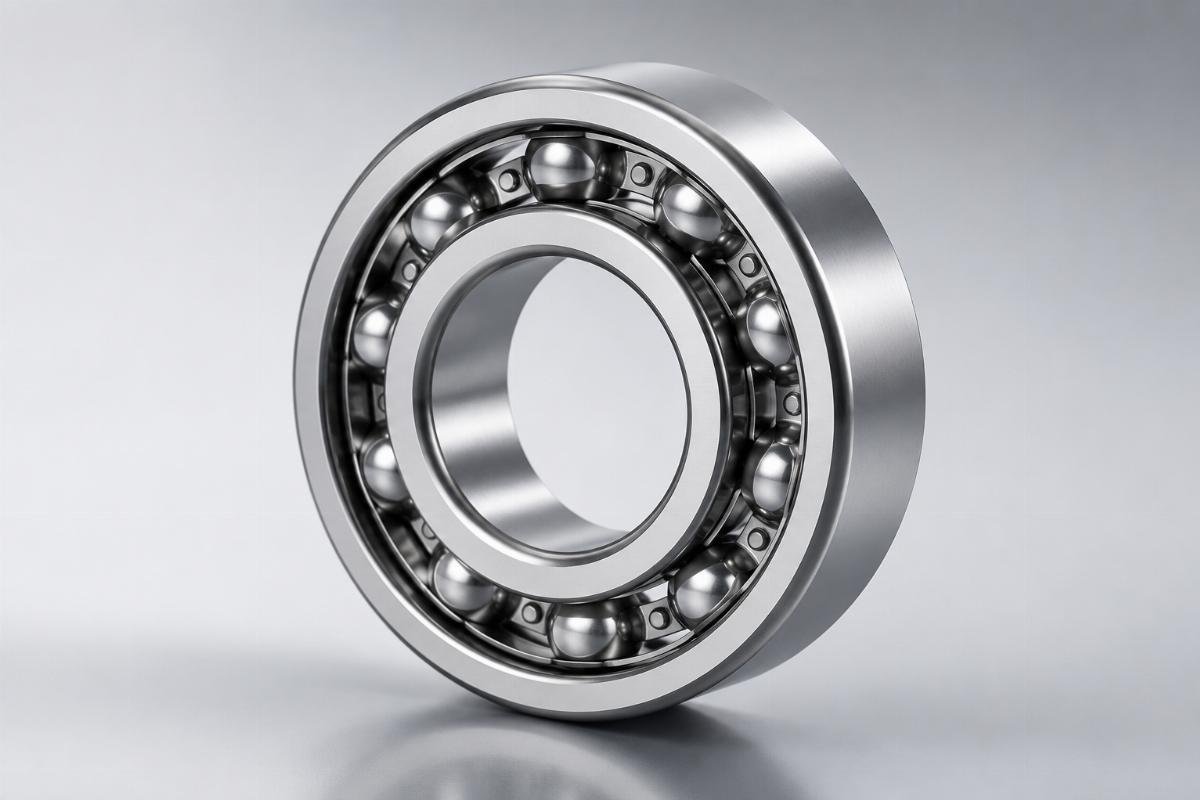
The five-step verification process for evaluating a China bearing supplier:
- Certification Validation – Check certificate status on IATF database and confirm scope includes bearing manufacturing
- Traceability System Test – Request traceability documentation for a random past batch to verify system functionality
- Quality Control Interview – Ask detailed questions about inspection frequencies and criteria for critical dimensions
- Failure Analysis Capability – Inquire about in-house testing facilities and failure analysis report examples
- Logistics Transparency – Verify warehouse ownership and direct shipping capabilities to avoid third-party substitution
Real-World Cases: How Proper Certifications Solved Critical Industrial Problems
Certified bearings deliver measurable operational improvements when matched to application requirements and verified through batch-specific traceability.
These case studies demonstrate how our ISO 9001 and IATF 16949 certified processes addressed specific challenges across different industrial sectors, delivering quantifiable results for our clients.
The European steel mill case illustrates the cost of inadequate certification verification. Their continuous casting machine experienced repeated failures with bearings from an ISO 9001-certified supplier who couldn’t provide batch-specific material documentation. After implementing our dual-certified supply chain with 6309 deep groove ball bearings (precision grade P5), they achieved a 47% reduction in unplanned downtime within six months. The IATF 16949 processes caught a counterfeit batch with substandard steel before it reached production [NEED_CITE: steel mill bearing failure root cause analysis per ISO 15243].
The Australian mining company case shows the value of self-operated warehousing and batch tracking. When their grinding mill spherical roller bearings failed prematurely, investigation revealed batch numbers didn’t match certification documents from their ISO 9001 supplier. Our rapid response with replacement 231/500 spherical roller bearings (stainless steel with modified clearance) prevented production shutdown, and the 99.8% inspection pass rate reduced their maintenance costs by 31% [NEED_CITE: mining equipment bearing reliability standards].
The wind farm operator case demonstrates how detailed certification documentation enables OEM alternative approval. Their main shaft bearing replacement required IATF 16949 documentation with hybrid ceramic material certifications and condition monitoring system compatibility verification. Our 22330 spherical roller bearings (precision grade P4) met these requirements, reducing lead time from 16 weeks to 12 weeks while maintaining performance standards [NEED_CITE: wind turbine main shaft bearing specification requirements].
Conclusion
ISO 9001 provides baseline quality management; IATF 16949 with batch-specific traceability prevents counterfeit infiltration and protects heavy industry from catastrophic downtime. The difference between generic certificates and batch-level verification determines whether your supply chain delivers reliable performance or exposes operations to the $2.3 billion counterfeit bearing market. Evaluating a China bearing supplier requires structured verification beyond paper compliance—checking certification databases, validating batch traceability, and confirming self-operated warehousing capabilities that prevent middleman substitution.