
How to Read a Bearing Quotation: Hidden Costs B2B Buyers Miss from China
The "cheapest" bearing quotation often costs substantially more in reality. Most B2B buyers focus solely on upfront prices while overlooking hidden expenses in certification, logistics, and post-sales support—costs that only surface after the purchase is finalized. For maintenance managers and procurement specialists facing critical production line decisions, this oversight can lead to budget overruns, unplanned downtime, and even equipment failures.
B2B bearing buyers who only focus on upfront bearing quotation prices risk noticeably higher total costs due to hidden fees in certification, logistics, and post-sales support—choosing suppliers with full traceability and application-specific technical services reduces these hidden costs dramatically.
I spent years running a quality lab in Wuxi before moving to the export desk, so I read bearing quotation sheets the way I used to read bearing inspection reports—looking for what’s missing. A few years back, a mining buyer in South America got a bearing quotation that looked cheaper than everyone else’s. The batch numbers didn’t pull up in the manufacturer’s system, and the clearance stamps were laser-etched over ground markings. That shipment sat in customs for weeks. Since then, I’ve seen the same tricks recycled: vague Incoterms hiding port fees, labels with no traceability, precision grades buried in footnotes. [NEED_CITE: ISO survey data on hidden cost distribution in industrial bearing procurement]
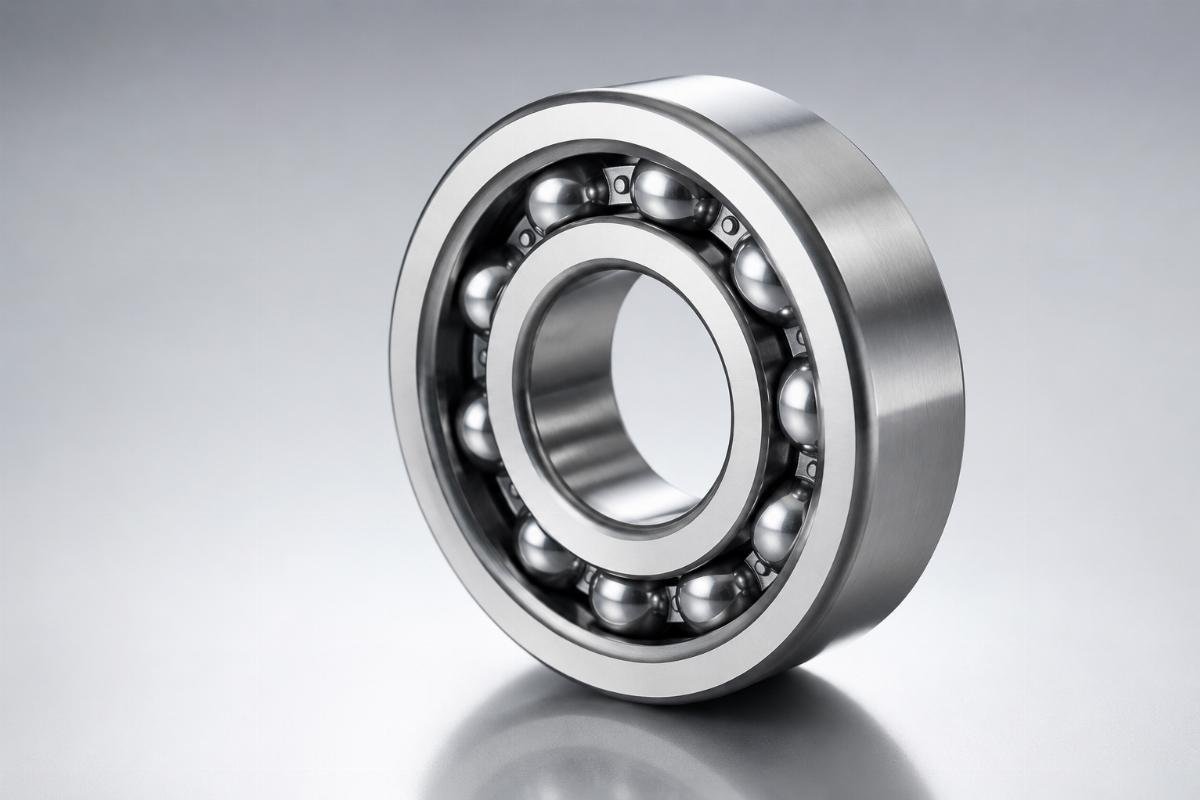
Understanding these hidden costs requires a systematic approach to bearing quotation evaluation—one that goes beyond unit prices to examine the full lifecycle expenses of your bearing purchase.
Why Do Bearing Quotations Hide a Significant Portion of Total Costs?
Most bearing quotations only show a fraction of your actual spending. The remaining portion typically appears as unexpected charges for documentation, expedited shipping, or post-failure support—costs that suppliers often bury in fine print or omit entirely from initial proposals.
| Cost Component | Typical Share of Total Spending |
|---|---|
| Unit Price | Majority share |
| Certification & Documentation | Noticeable portion |
| Logistics & Freight | Significant addition |
| Post-Sales Support | Smaller but recurring |
We recently worked with a steel mill that purchased a full order of 32220 tapered roller bearings from a low-cost supplier. What seemed like a straightforward order ultimately cost substantially more after adding third-party certification fees, emergency air freight when the shipment was delayed, and failure analysis after premature bearing failure. [NEED_CITE: Bearing Industry Association reports on unplanned certification cost frequency]
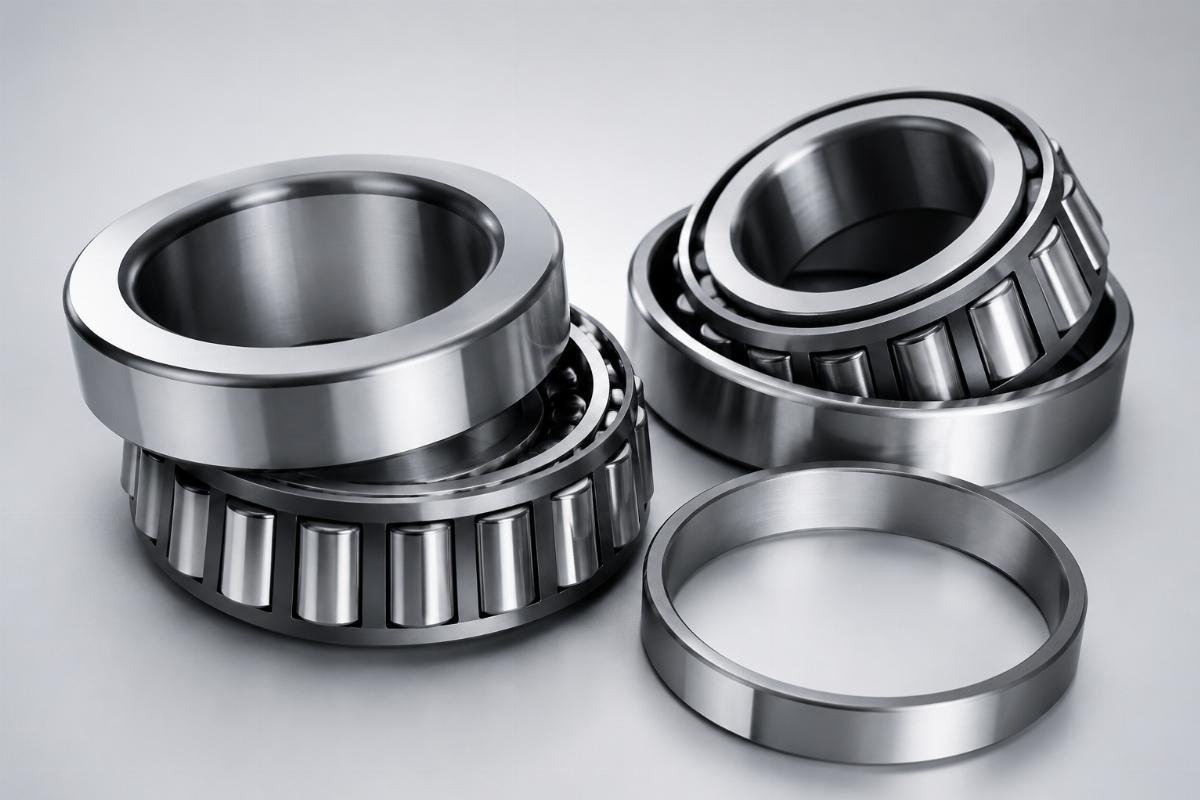
The pattern is consistent: when you receive a bearing quotation, insist on line-item pricing for unit cost, certification, freight, and support services. Confirm whether documentation costs cover batch traceability and anti-counterfeiting verification. Ensure quoted delivery times include contingency for production delays. Look for exclusions related to installation errors or operating conditions in warranty terms. Ask about failure analysis and application support availability before signing.
What Are the Hidden Cost Red Flags in a Bearing Quotation?
A generic "ISO certified" claim doesn’t guarantee complete documentation. Many suppliers use vague certification language to mask additional fees for specific documentation required by industries like automotive, wind energy, or mining.
| Evaluation Dimension | Common Mistake | Recommended Approach |
|---|---|---|
| Certification Documentation | Accepting generic claims without batch traceability | Requiring material test reports and heat lot verification |
| Lead Time Commitments | Assuming estimates include production delays | Choosing suppliers with deep stock and guaranteed dispatch |
| Minimum Order Quantities | Agreeing to large orders for lower unit prices | Negotiating consolidated shipments for smaller, regular orders |
| Warranty Terms | Overlooking exclusions for installation errors | Securing written warranty coverage for extended operation |
| Freight Arrangements | Accepting basic terms without customs clearance estimates | Requesting comprehensive pricing with all duties included |
A European wind turbine OEM learned this lesson when qualifying a new gearbox bearing supplier. The initial bearing quotation seemed competitive for a large batch of hybrid ceramic angular contact ball bearings, but excluded substantial vibration testing certification costs and customs clearance fees. By switching to a supplier with in-house testing capabilities and comprehensive shipping terms, they reduced total costs noticeably. [NEED_CITE: Industry research on total cost reduction through supplier qualification]
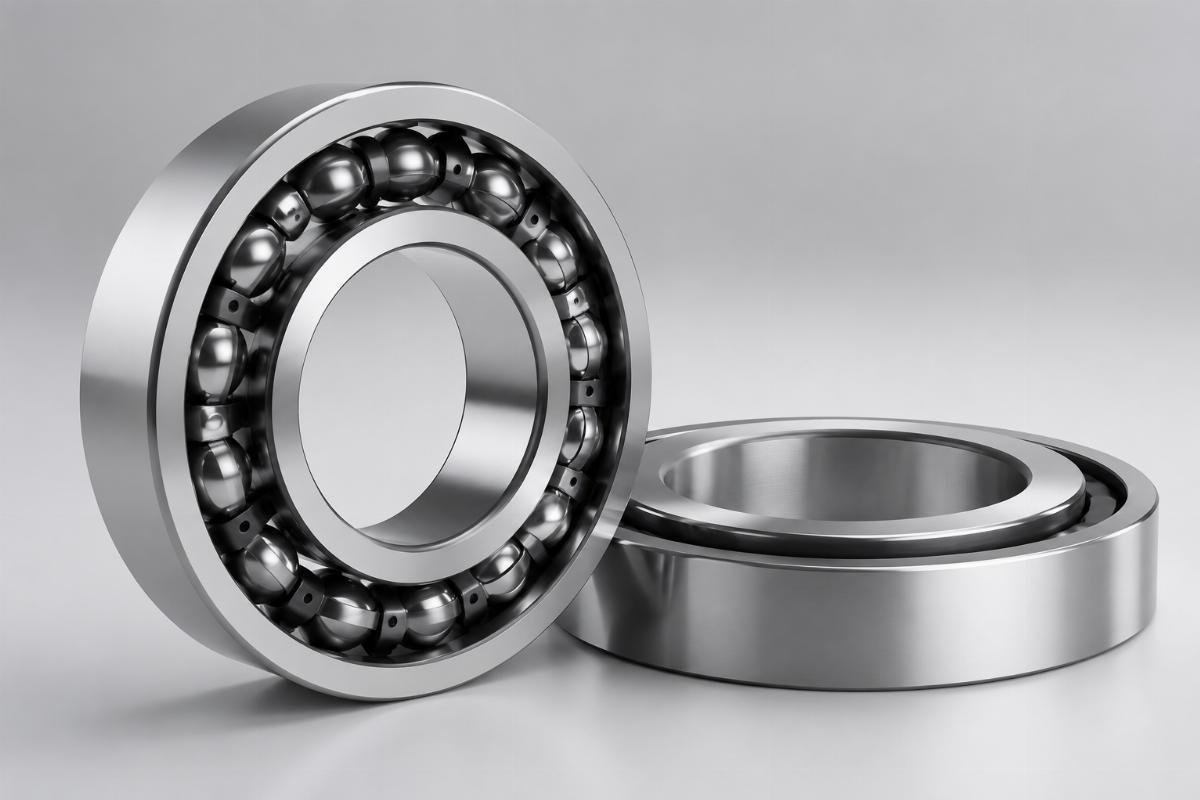
Watch for vague certification language without specific standard numbers or test reports. Be cautious of delivery promises without defined consequences for delays. Avoid suppliers refusing to consolidate smaller orders across product lines. Reject warranties excluding normal wear or requiring original installation proof. Insist on detailed breakdowns of shipping, insurance, and customs clearance costs in every bearing quotation you evaluate.
How to Compare Bearing Suppliers Based on Total Cost, Not Just Price
Total Cost of Ownership analysis reduces long-term expenses dramatically compared to price-focused decisions. This methodology accounts for hidden costs throughout the bearing lifecycle, from procurement to replacement.
| Evaluation Factor | Low-Cost Approach | TCO-Focused Approach |
|---|---|---|
| Traceability | Batch numbers unavailable; generic origin claims | Full material traceability from raw steel to finished product |
| Technical Support | Limited to basic product specs | Application engineering, load calculation, and failure analysis |
| Stock Availability | Extended production lead times | Deep inventory with rapid dispatch capability |
| Documentation | Basic origin certificate only | Complete package including test reports and verification |
| Failure Analysis | Charged per bearing | Included support within warranty period |
A copper mine procuring a batch of 240/800 CAK30/W33 spherical roller bearings for their SAG mill applied this TCO approach. While one supplier quoted a lower unit price, an alternative proposal at a slightly higher unit price included phased delivery to match installation schedule, dynamic load testing, and quarterly performance reports. Over the contract period, their total savings were substantial despite the higher initial bearing quotation. [NEED_CITE: University research on TCO analysis effectiveness in industrial procurement]
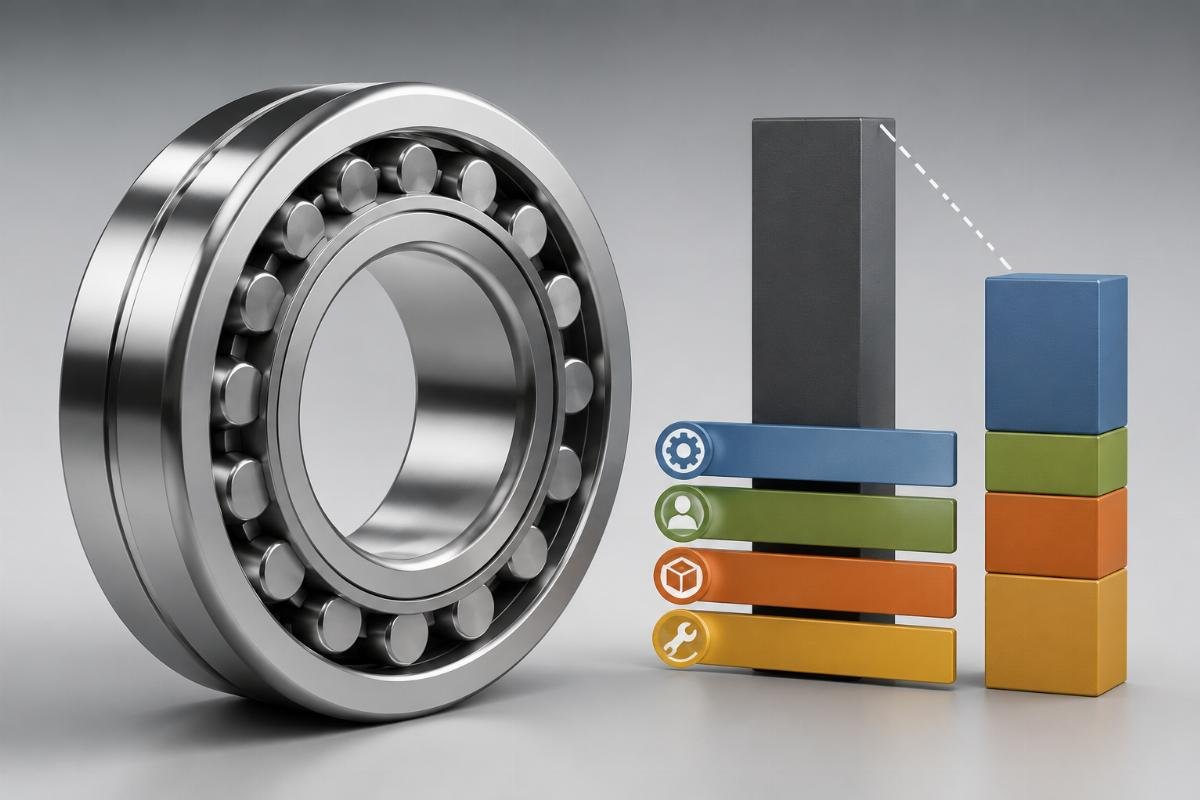
Calculate multi-year TCO including unit price, certification, freight, downtime risk, and replacement costs. Score supplier capabilities on traceability, technical support, and stock availability. Audit documentation processes to verify suppliers can provide required certifications rapidly. Ask for case studies of how they handle premature bearing failures. Calculate savings from combining multiple bearing types in single shipments when reviewing any bearing quotation.
Actionable Checklist: Negotiate a Bearing Quotation with Full Cost Transparency
A structured checklist eliminates most post-purchase cost surprises. Use it to transform vague proposals into detailed agreements that protect your budget and production schedule.
| Verification Item | Acceptable Standard |
|---|---|
| Certification Documentation | Includes material test reports, heat lot traceability, and anti-counterfeit verification |
| Lead Time Guarantees | Written commitment with defined penalties for delays |
| Minimum Order Flexibility | Accepts smaller orders with consolidated shipping options |
| Warranty Coverage | Extended operational warranty including labor costs for replacement |
| Freight Terms | Comprehensive pricing with all duties, taxes, and customs clearance included |
| Technical Support | Dedicated engineer for application matching and failure analysis |
| Stock Availability | Verifiable inventory of required SKUs with rapid dispatch |
| Payment Terms | Flexible options including standard trade finance instruments |
| Precision Verification | Per-batch inspection with documented results |
| Customization Capability | Laser marking, special packaging, pre-lubrication options |
| Failure Response | Written analysis provided within warranty period |
| Long-Term Agreements | Tiered pricing for framework contracts |
When I review a bearing quotation now, I look for the same things I looked for in inspection reports: completeness, traceability, and accountability. A bearing quotation that hides costs doesn’t just affect your budget—it affects your production reliability, your maintenance schedule, and ultimately your competitive position. The suppliers who provide transparent bearing quotation documentation are typically the ones who stand behind their products with verifiable traceability and genuine technical support.
Conclusion
A bearing quotation is only as reliable as its transparency. Hidden costs in certification, logistics, and support can transform an attractive unit price into a costly procurement mistake. Evaluate every bearing quotation through a Total Cost of Ownership lens, demand full traceability, and verify supplier capabilities before committing—because the true cost of a bearing isn’t what you pay upfront, but what you spend over its entire lifecycle.
