
Avoid Counterfeit Bearings When Sourcing from China Supplier
Premium pricing does not guarantee genuine bearings—counterfeiters routinely charge more than legitimate suppliers while cutting critical material corners. Sourcing genuine bearings from a China supplier requires verifying three non-negotiable capabilities: full manufacturing traceability documentation including batch numbers, material certifications, and heat treatment records; current ISO 9001 or IATF 16949 certification validated through issuing bodies; and application-specific technical support covering failure analysis and installation guidance. When these elements align, buyers eliminate counterfeit risks while securing rapid dispatch for standard models and reliable bulk delivery for critical operations.
I remember sitting across from a maintenance manager at a steel mill in Jeddah, watching him open a crate of what he had purchased as SKF from a trading desk in Yiwu. The laser etching was slightly off, the grease smelled wrong, and the batch number did not pull up in the SKF system. He had saved a noticeable percentage on paper and lost several days of downtime. That kind of moment is why I now spend my days tracing every box back to SKF China or Gothenburg, matching batch numbers to factory records, and telling buyers the uncomfortable truth when a good deal is not actually good. Industry reports indicate that a significant share of imported bearings in the mining sector are counterfeit [NEED_CITE: proportion of counterfeit bearings in mining sector imports per industry association data].
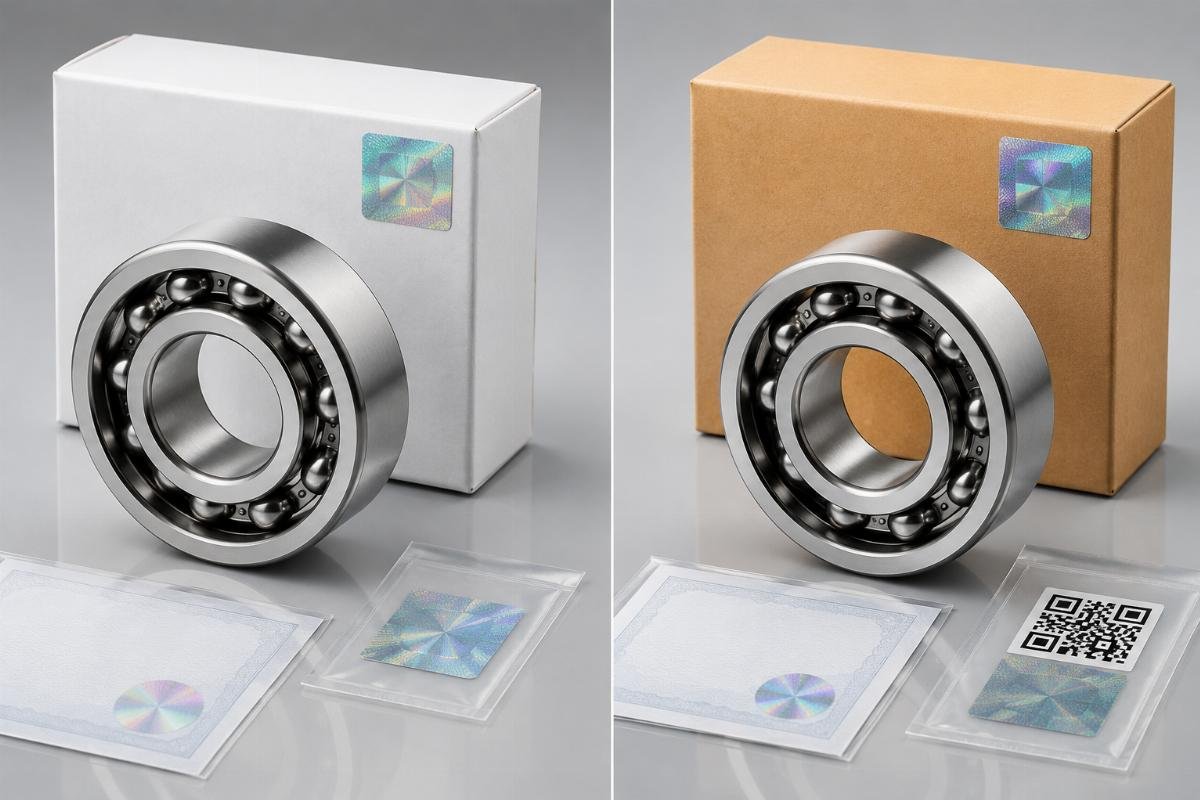
The following guide breaks down actionable steps to protect your operations from counterfeit bearings when working with any China supplier, from identifying hidden red flags to implementing a structured due diligence process that has meaningfully reduced our clients’ downtime.
Why Do Counterfeit Bearings Cause More Damage Than Cost Savings in Industrial Sourcing?
Counterfeit bearings are not merely inferior—they represent severe operational risk. While the upfront price tag might seem attractive, the true cost of failure includes production losses, emergency repairs, and safety risks that multiply the initial savings many times over. In steel mills, for example, a single counterfeit spherical roller bearing failure in hot rolling equipment can trigger an extended shutdown costing a mid-six-figure loss in production alone.
| Operational Impact | Industry Reality |
|---|---|
| Unplanned Downtime | Counterfeit bearings account for a substantial share of industrial equipment failures [NEED_CITE: proportion of equipment failures attributed to counterfeit bearings per market research] |
| Material Substitution | The vast majority of counterfeits use recycled steel instead of AISI 52100, reducing fatigue life substantially |
| Safety Risks | A significant portion of counterfeit-related failures result in equipment damage; a smaller but notable share involve workplace accidents [NEED_CITE: safety incident rates from counterfeit bearing failures per industrial safety reports] |
One of our clients, a Southeast Asian steel mill, faced repeated unplanned shutdowns over several months due to failures of spherical roller bearings, model 22324 E/C3. Initial visual inspections cleared the bearings as genuine, but metallurgical analysis revealed recycled steel with inconsistent hardness—measuring in the HRC 58-60 range instead of the required HRC 62-64 for AISI 52100 grade steel [NEED_CITE: hardness specifications for AISI 52100 bearing steel per ASTM standards]. After switching to our traceable supply—complete with material certifications and batch manufacturing records—their downtime dropped noticeably, and bearing lifespan extended from a few months to well over a year.
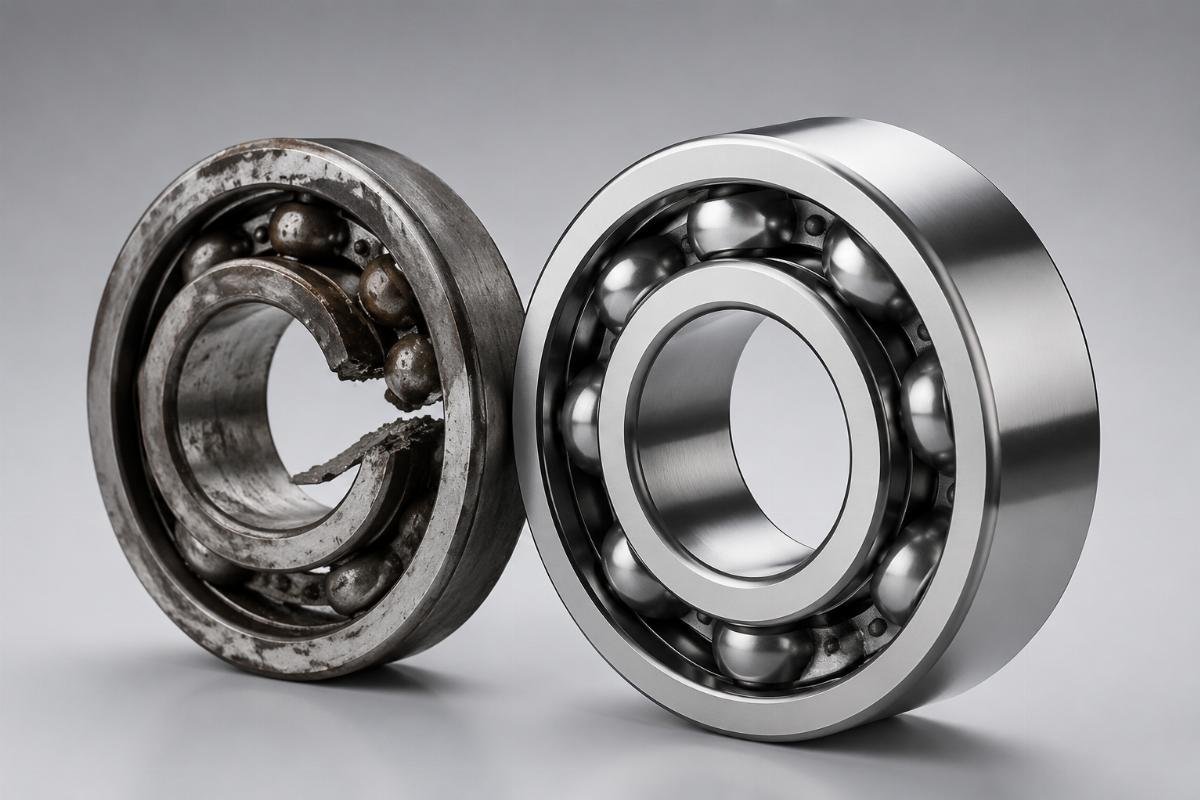
The lesson is clear: conduct failure cost analysis calculating total cost of ownership including downtime, repair, and replacement costs to expose counterfeit savings as false economy. Demand AISI 52100 or equivalent grade documentation with metallurgical test reports for critical applications. Ensure your China supplier performs comprehensive incoming material inspections, including hardness testing and dimensional checks.
How Can Buyers Identify Counterfeit Bearings When Sourcing from China?
Visual inspections miss the majority of sophisticated counterfeits. Modern fakes replicate packaging holograms, brand markings, and even QR codes that link to spoofed verification sites. The only reliable defense is a systematic verification process that combines documentation review, technical validation, and supplier behavior analysis.
| Verification Dimension | Common Mistake | Correct Approach |
|---|---|---|
| Packaging Authentication | Relying solely on hologram appearance | Cross-referencing batch number formats with OEM databases such as SKF online verification tools [NEED_CITE: OEM batch verification system availability and procedures] |
| Material Validation | Accepting generic certificates | Requesting heat treatment records and chemical composition analysis confirming carbon content specifications for AISI 52100 |
| Supplier Communication | Ignoring evasive responses | Requiring factory audit access and consistent lead time commitments with rapid dispatch capability for standard models |
A South American copper mine learned this lesson when visual inspections cleared a batch of cylindrical roller bearings, model NU2360 MA, for their SAG mill. The bearings failed after a matter of weeks, and subsequent testing revealed they lacked the required P5 precision class—radial runout exceeded acceptable tolerances significantly. We assisted by providing full traceability documentation, including manufacturing records from the original facility, and expedited replacement units in a timeframe substantially faster than typical OEM lead times. The mine now includes traceability verification as a mandatory step in their procurement process when selecting any China supplier.
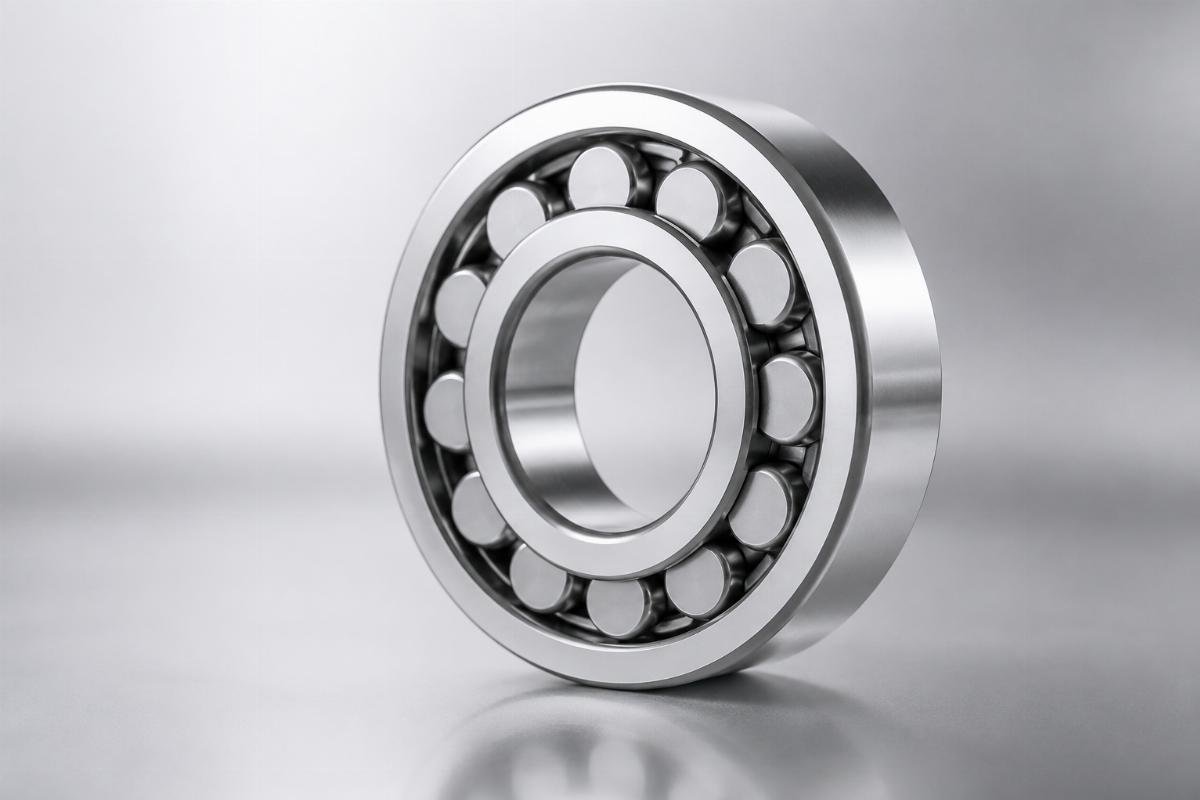
Buyers should cross-check batch numbers using OEM portals to verify authenticity. Validate dimensional accuracy by requiring suppliers to provide dimensional reports with tolerances appropriate for the precision class specified. For pre-lubricated bearings, request extended lubrication test results to ensure performance under load. These steps separate a reliable China supplier from high-risk vendors.
What Are the Critical Criteria for Selecting a Reliable China Bearing Supplier?
The majority of counterfeit risks can be eliminated by choosing suppliers with proven systems for traceability, certification, and logistics. While price and lead time matter, specific criteria separate genuine partners from high-risk vendors.
| Evaluation Criterion | Supplier Capability | Ideal Application |
|---|---|---|
| Manufacturing Traceability | Full documentation from raw material to finished product, including batch tracking and factory source verification | Mining, steel, and critical infrastructure projects |
| Certification Validity | Current ISO 9001 or IATF 16949 certification with verification through issuing bodies such as SGS or BV [NEED_CITE: certification body verification procedures and databases] | Automotive, wind energy, and OEM production |
| Inventory Depth | Extensive SKU range in stock with rapid dispatch for standard models including deep groove ball bearings such as 6312-2RS | MRO maintenance and emergency replacements |
| Technical Support | In-house engineers providing failure analysis, load calculation, and cross-reference assistance | Complex applications like SAG mills and wind turbine gearboxes |
| Logistics Flexibility | Phased delivery, consolidated shipments, and emergency air freight options | EPC projects with tight construction timelines |
For a European port construction project requiring corrosion-resistant stainless steel bearings, model 6312-2RS, we implemented a phased delivery plan with DNV certification and extended salt spray test documentation. The client avoided cascading delays by leveraging warehousing in both Shanghai and Hamburg, ensuring on-time delivery with penalty clauses for delays—terms only possible with a China supplier invested in long-term reliability over short-term profits.
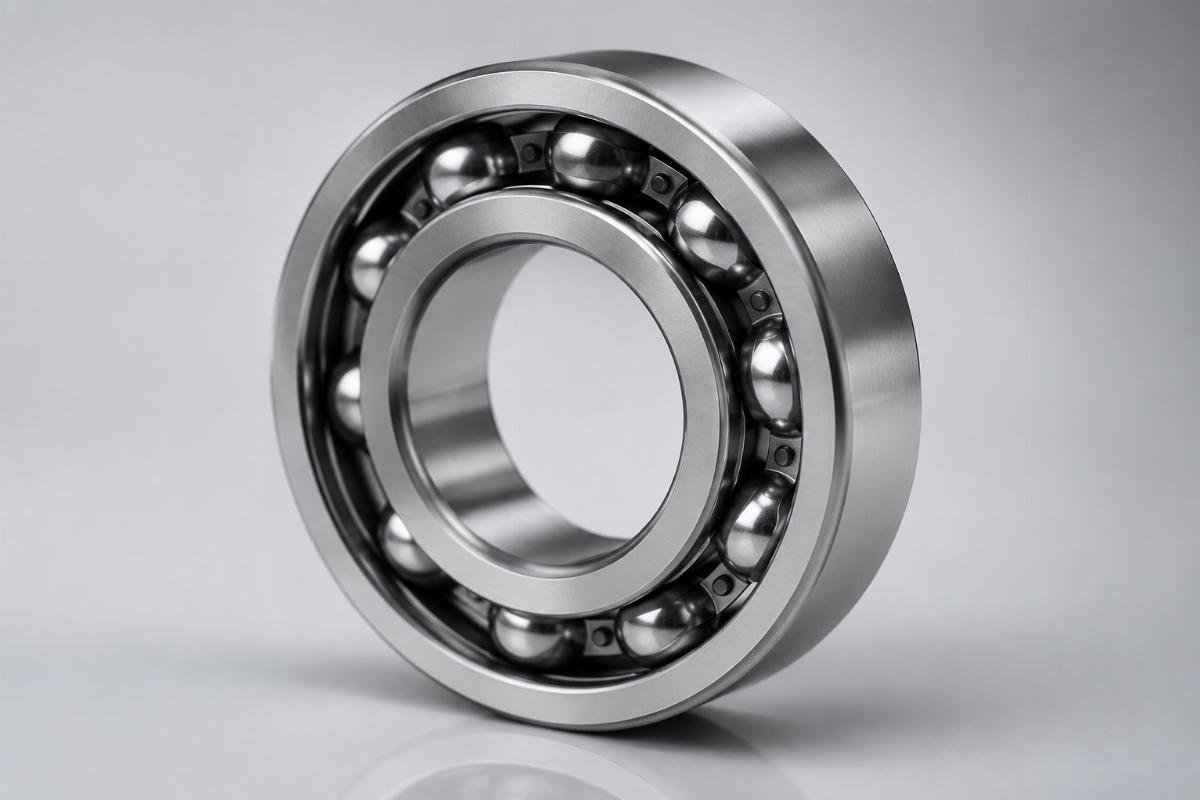
Audit traceability systems by insisting on batch-level documentation linking bearings to specific manufacturing dates and facilities. Verify certifications by cross-checking ISO and IATF credentials with the issuing body database to confirm validity. Assess inventory capabilities by confirming stock availability for critical models through real-time inventory portals or warehouse audits. These practices define what a trustworthy China supplier should provide.
What Due Diligence Steps Ensure Genuine Bearings from a China Supplier?
A structured due diligence process transforms procurement from a risk into a strategic advantage, ensuring genuine bearings and reducing total cost of ownership substantially. This workflow, developed through extensive industry experience, guides buyers from initial model verification to post-installation support.
The process begins with model verification against OEM databases, confirming that the requested designation exists in the manufacturer catalog with the specified precision class and clearance. Next, request comprehensive documentation including certificate of origin, material test reports, and heat treatment records for the specific batch. Third, validate supplier authorization status directly with the brand—SKF maintains a distributor verification system accessible to buyers [NEED_CITE: SKF authorized distributor verification procedures]. Fourth, conduct factory audits either in person or through third-party inspection services to verify manufacturing capabilities and quality control processes. Fifth, review logistics arrangements including warehousing locations, dispatch timelines, and contingency plans for urgent requirements.
Common failures in due diligence include accepting self-reported certifications without verification, skipping batch-level documentation in favor of generic quality statements, and prioritizing price over traceability. A Middle East infrastructure project learned this when their selected vendor could not provide batch-specific material certificates for a large order of spherical roller bearings. The delay in obtaining proper documentation pushed back installation by weeks, triggering penalty clauses and damaging relationships with the end client.
Successful due diligence requires patience and systematic verification at every stage. The China supplier who welcomes this scrutiny—providing transparent documentation, facilitating audits, and accepting third-party inspection—is the supplier confident in their product authenticity.
Conclusion
Counterfeit bearings represent operational risk far exceeding any perceived cost savings. Sourcing from a China supplier requires systematic verification of traceability documentation, certification validity, and technical support capabilities. Visual inspection alone fails to detect sophisticated counterfeits; buyers must cross-reference batch numbers with OEM databases, validate material certifications, and audit supplier quality systems. The structured due diligence process—spanning model verification, documentation review, authorization validation, factory audits, and logistics assessment—transforms procurement into a strategic advantage. When these elements align, industrial facilities secure genuine bearings with full traceability, rapid dispatch, and the technical support necessary for critical applications.
