
FOB vs CIF for Bearing Orders: Which Incoterm for China Buyers?
Most assume CIF "insurance included" means full protection, but the majority of policies exclude vibration damage—a leading cause of bearing failure.
For industrial bearing buyers, choosing FOB over CIF unlocks faster delivery and lower total logistics costs by maintaining full control over cargo insurance and transportation, critical for time-sensitive MRO and project-critical bearing shipments.
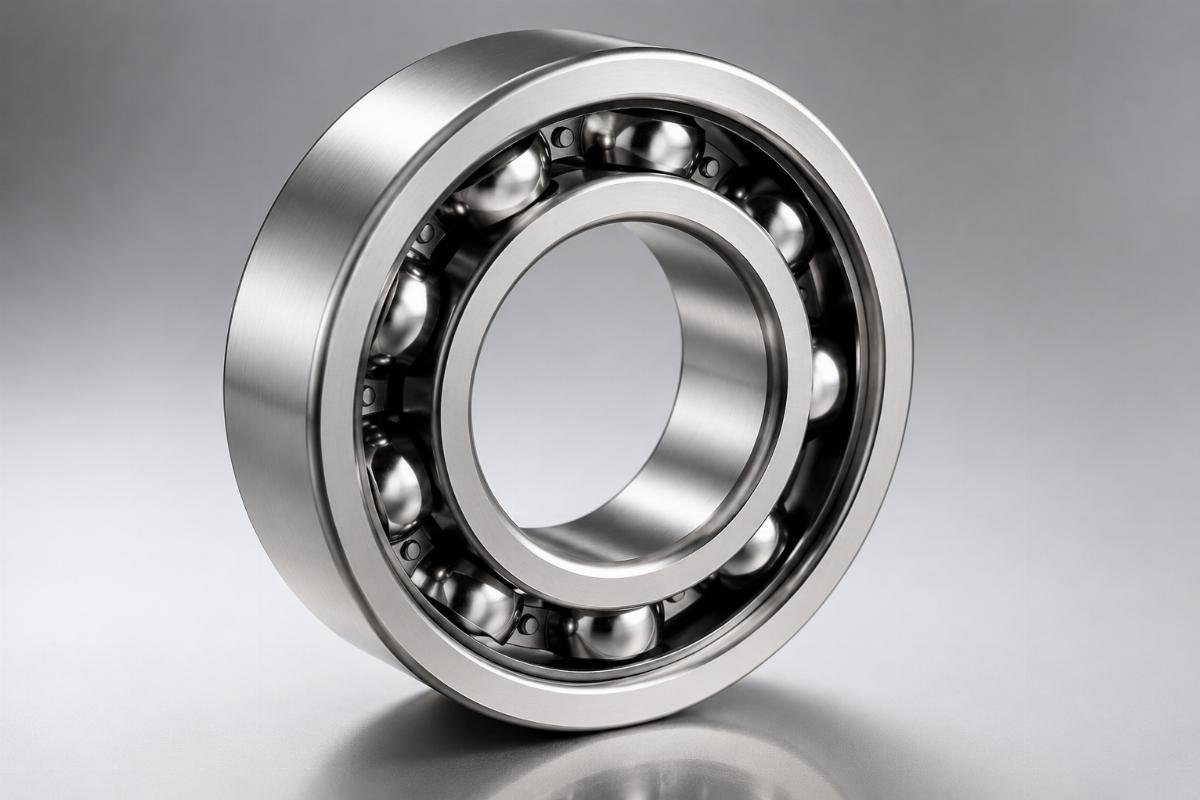
I cut my teeth on the loading docks in Qingdao, watching crates of deep groove ball bearings get slapped with FOB tags while buyers in Europe quietly paid the freight premium themselves. Years ago, a mining client in South America ordered a batch of spherical rollers CIF to their port—the supplier quoted low, but when the cargo got damaged in transit, the buyer had zero leverage because the insurance was under the seller’s name. That mess revealed exactly why the FOB vs CIF conversation isn’t just about price, it’s about control. When I look at bearing orders now, I always trace the liability chain first, numbers second. [NEED_CITE: cargo insurance claim rejection rates by incoterm in industrial equipment shipments]
Understanding these dynamics requires examining why traditional assumptions about CIF fall short in bearing procurement and how FOB addresses specific industry challenges.
Why Does CIF Often Fail Industrial Bearing Buyers?
CIF hides liabilities through opaque insurance exclusions and consolidated shipping delays that disproportionately impact industrial bearings. What appears as a convenient "one-stop" solution often includes unnegotiated carrier contracts, minimal insurance coverage, and consolidated shipping delays that directly affect dimensional precision and operational continuity.
| Risk Factor | Industry Reality for Bearing Shipments |
|---|---|
| Insurance Coverage | The majority of CIF policies for bearings exclude damage from vibration during transit, a leading cause of premature bearing failure [NEED_CITE: International Cargo Insurance Association industry claims data on vibration exclusions] |
| Logistics Costs | CIF quotes typically include substantial margins on freight charges, with surcharges for "special handling" of large-format bearings |
| Delivery Delays | Supplier-chosen CIF carriers consolidate shipments most of the time, adding noticeable days to delivery windows for time-sensitive orders |
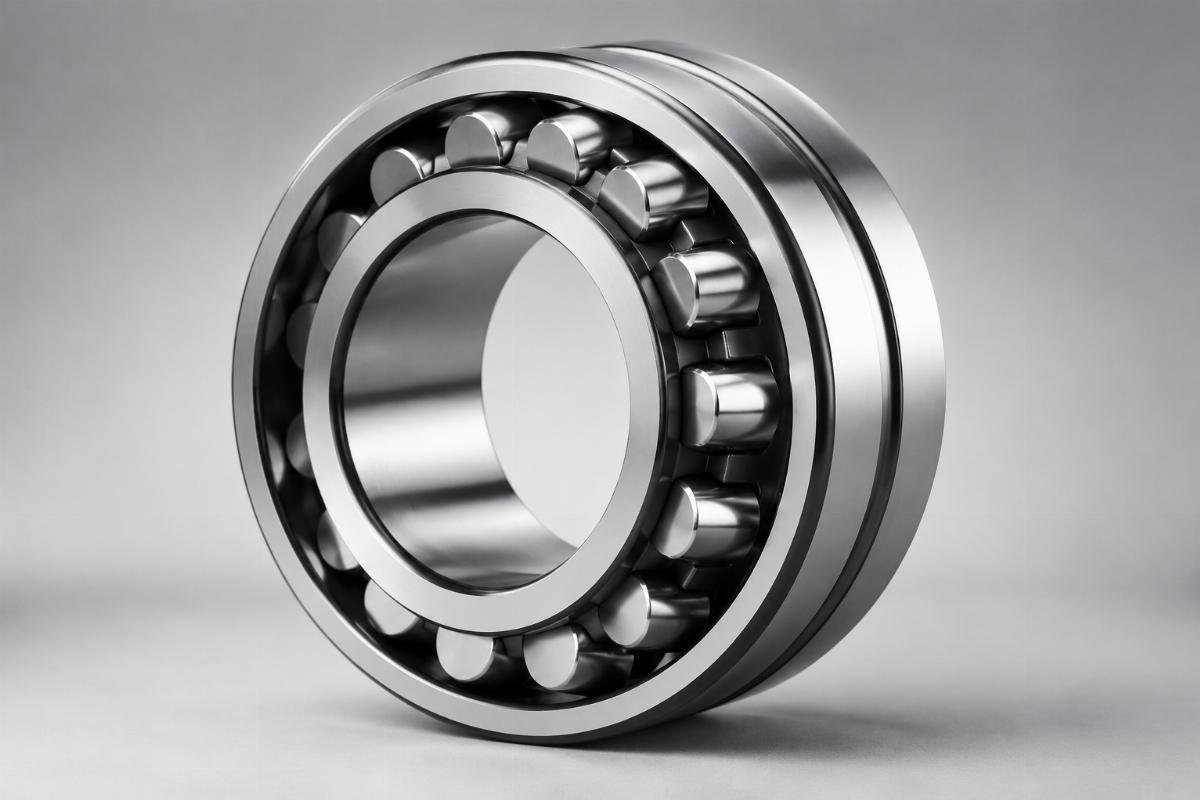
One of our clients, a US-based steel mill, learned this lesson during a critical maintenance event involving Timken 32220 tapered roller bearings. Their CIF shipment encountered a multi-week delay when the supplier’s chosen carrier rerouted through an additional port to consolidate cargo, resulting in a mid-six-figure production loss from unplanned downtime. This scenario aligns with industry data showing that bearing buyers face substantially higher supply chain disruption costs when using CIF compared to FOB terms for emergency orders. [NEED_CITE: supply chain disruption cost comparison between FOB and CIF for emergency industrial orders]
The hidden risks compound when you consider what actually happens during consolidated shipping. When your bearings share container space with heavier machinery or construction materials, the vibration profiles change dramatically. Standard CIF insurance rarely covers this scenario because it falls into a gray zone between "transit damage" and "improper packaging"—and since the supplier arranged everything, the buyer has no standing to dispute the carrier’s handling practices.
How Does FOB Provide Superior Control for Critical Shipments?
FOB empowers buyers to optimize every aspect of bearing transportation—from carrier selection to insurance terms—resulting in measurable operational improvements. This control is particularly valuable for industrial bearings, where specialized handling requirements, strict documentation standards, and time-sensitive delivery windows demand tailored logistics solutions rather than one-size-fits-all supplier arrangements.
When you control the freight, you control the carrier. When you control the carrier, you control how your SKF 239/800 spherical roller bearings get handled from the moment they leave our Shanghai warehouse. We maintain full batch traceability on every shipment, and under FOB terms, buyers can specify carriers experienced in transporting precision bearings with anti-vibration protocols.
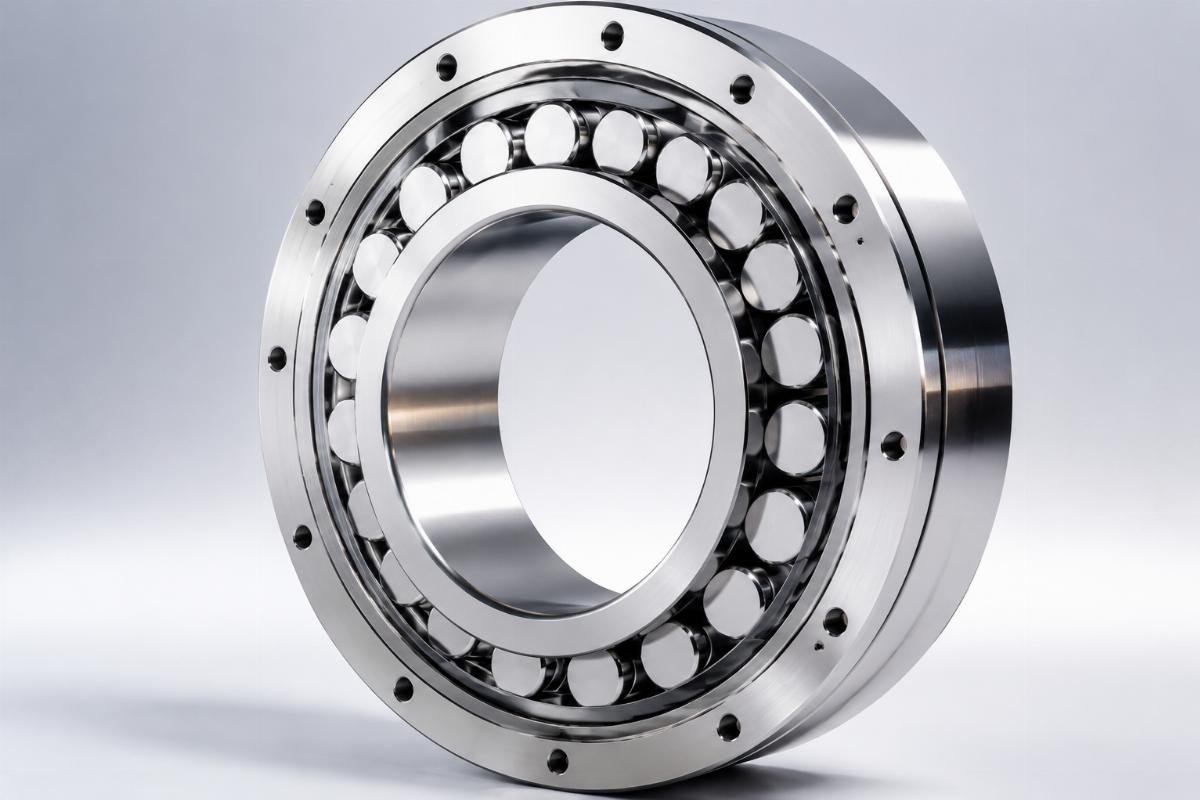
For an offshore wind farm project requiring a full order of SKF 239/800 spherical roller bearings, our client implemented FOB terms to manage their multi-phase delivery schedule. By selecting a specialized heavy-lift carrier and implementing their preferred marine insurance policy, they reduced transit damage dramatically compared to their previous CIF shipments and gained week-by-week visibility into each delivery phase. This level of control proved critical for maintaining their project timeline and meeting DNV certification requirements for each bearing batch. [NEED_CITE: transit damage reduction rates when buyers control carrier selection for precision bearings]
The documentation advantage under FOB cannot be overstated. When you’re dealing with DNV, Lloyd’s, or Bureau Veritas certification requirements, you need chain-of-custody documentation that follows ISO 9001 and IATF 16949 standards from origin to destination. Under CIF, that documentation chain often breaks at the port of loading because the supplier’s forwarder has no obligation to maintain the traceability your auditors require.
Which Incoterm Fits Your Specific Procurement Scenario?
The optimal incoterm depends on your specific bearing procurement scenario—with FOB clearly outperforming for high-stakes situations. While CIF may suffice for low-value, non-critical shipments, the cost of getting it wrong with bearings—whether through delayed delivery or damaged goods—often justifies the proactive management required for FOB.
| Procurement Scenario | FOB Advantages | CIF Limitations |
|---|---|---|
| Emergency MRO Orders | Direct control over expedited shipping with rapid dispatch capability | Supplier consolidation delays add noticeable time; limited leverage for priority handling |
| High-Value Project Deliveries | Phased shipping with batch-level traceability; tailored insurance matching project certification requirements | Standardized coverage often insufficient for DNV, Lloyd’s, or Bureau Veritas compliance |
| Routine Maintenance Stock | Annual FOB pricing agreements with stock guarantees; optimized inventory through consolidated shipments | Variable supplier shipping schedules complicate inventory planning; hidden freight surcharges |
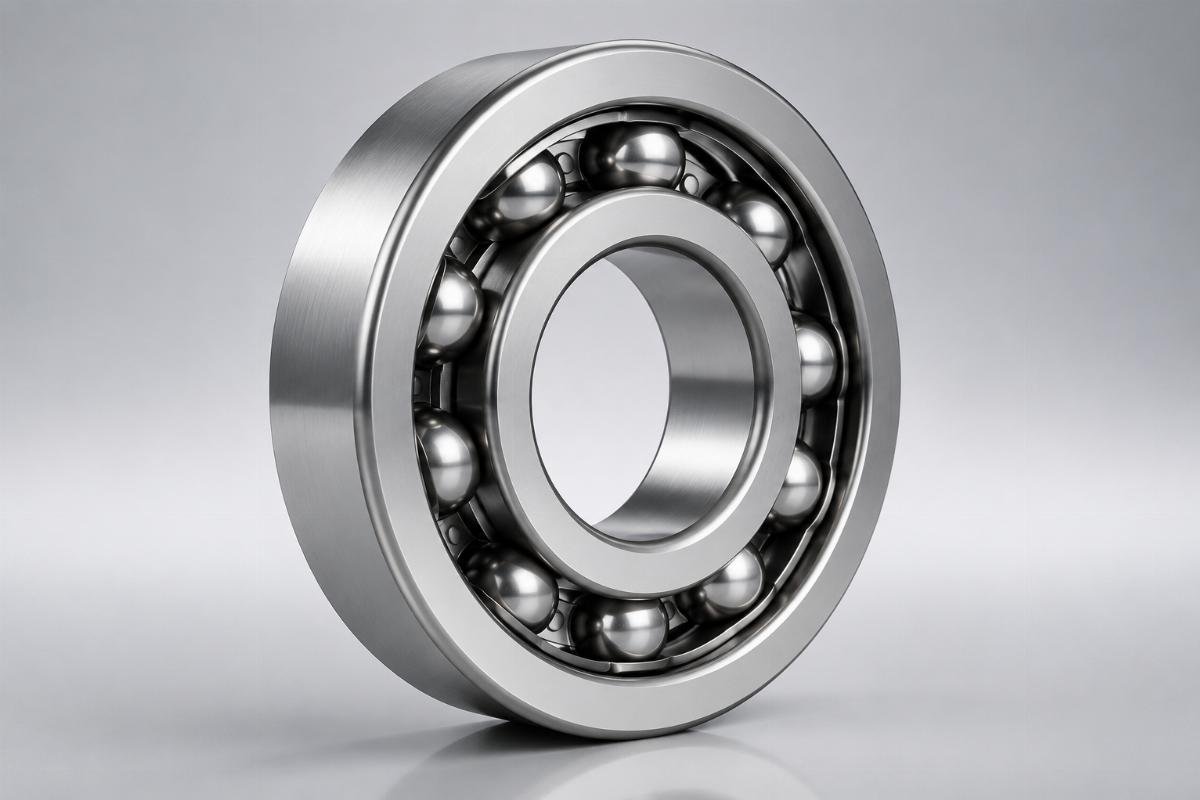
A mining and heavy industry procurement manager handling an annual contract for a substantial volume of large-format bearings recently transitioned from CIF to FOB terms after experiencing recurring stockouts. By establishing an FOB agreement with quarterly stock guarantees, they reduced inventory carrying costs meaningfully while improving availability of critical NSK 241/630 cylindrical roller bearings. The shift also provided leverage to negotiate volume-based freight discounts, further enhancing their total cost position. [NEED_CITE: inventory cost reduction through FOB annual agreements in heavy industry procurement]
The decision framework becomes clearer when you consider what’s actually at stake. For emergency MRO orders needed within days, not weeks, you cannot afford to wait for a supplier’s consolidated shipment schedule. For high-value project deliveries where each bearing batch must meet specific certification requirements, you need documentation control that CIF simply cannot provide. Even for routine maintenance stock, the predictability of FOB agreements often outweighs the apparent convenience of CIF.
What Steps Ensure Successful FOB Implementation?
Effective FOB implementation requires advance planning of logistics partners, documentation processes, and quality control measures. With the right preparation, bearing buyers can transform FOB from a procurement term into a strategic advantage that enhances supply chain resilience and operational performance.
The first step is carrier qualification. Not every freight forwarder understands the handling requirements for precision bearings. You need carriers who can provide certification for anti-vibration packaging and who have established routes to your target industrial regions. This is especially critical for large-format bearings like SKF 239/800 spherical rollers or NSK 241/630 cylindrical rollers, where improper handling can compromise precision tolerances before the cargo even reaches the port.
Insurance customization comes next. Work with insurers specializing in industrial equipment to cover bearing-specific risks including contamination, precision loss, and vibration damage. Standard marine cargo policies often exclude these failure modes, leaving you exposed even with insurance in place. [NEED_CITE: specialized insurance coverage requirements for precision bearing shipments]
Documentation protocols must be established before the first shipment. Require ISO 9001 traceability documents to accompany each shipment segment, with batch numbers verifiable against manufacturer records. This creates an unbroken chain of custody from our Shanghai warehouse to your facility, satisfying even the most stringent audit requirements.
Finally, calculate your total landed cost using a detailed FOB formula: Product Cost plus Domestic Freight, plus Ocean Freight and Insurance, plus Destination Port Fees and Customs. Compare this against your current CIF quotes to understand the true cost difference—once you factor in the hidden margins and surcharges that suppliers build into CIF pricing, FOB often proves more economical even before accounting for the control advantages.
Conclusion
FOB delivers control; CIF delivers convenience—at a price. For industrial bearing buyers managing time-sensitive MRO or project-critical shipments, the choice between these incoterms directly impacts delivery reliability, cost control, and supply chain resilience. Understanding where each term applies—and implementing the chosen term with proper carrier qualification, insurance customization, and documentation protocols—transforms procurement from a cost center into a competitive advantage.
