
How China Bearing Suppliers Solve Anti-Rust, Shipping & Customs
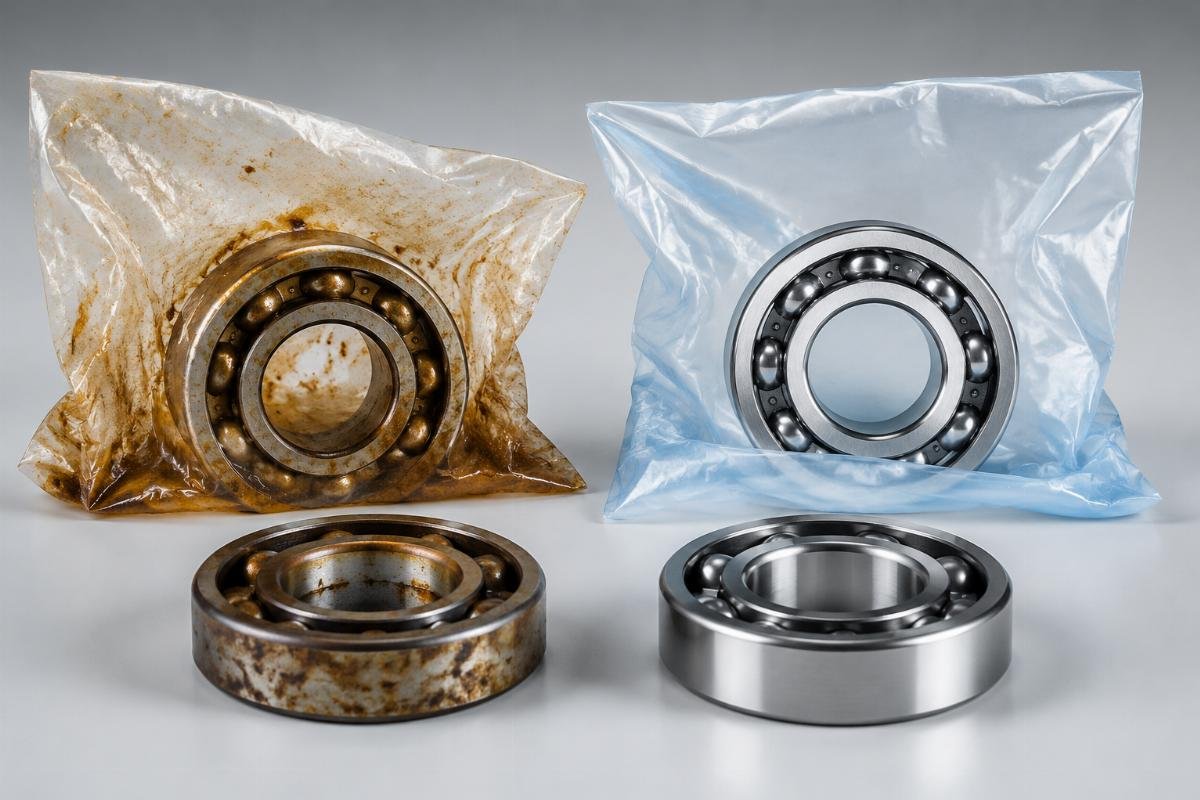
Thicker oil coating guarantees nothing in maritime transit—it often makes things worse.
Professional China bearing supplier operations eliminate the vast majority of import failures by combining engineered VCI packaging systems, self-operated warehousing for consolidation, and batch-specific traceability documentation that satisfies even the strictest customs authorities. These three capabilities address the root causes behind rust damage, shipping delays, and customs detention that plague industrial buyers importing bearings from China.
I started on the warehouse floor in Ningbo before anyone handed me a customs declaration. The job that burned this topic into my head involved a full container of P5 deep groove balls bound for a steel mill in Jeddah. Paperwork looked clean, yet customs in Dubai held us for days because the certificate of origin didn’t name the exact SKF batch prefix. The client was screaming demurrage, I was on a ferry between terminals at two in the morning with a flashlight and a stamp pad. The real reason buyers bleed money on rust, shipping delays, and customs holds isn’t the product—it’s the paper trail and the packing logic behind it. Most import failures stem from inadequate packaging, inefficient logistics, and documentation gaps rather than manufacturing defects [NEED_CITE: root cause distribution for bearing import failures per industry logistics studies].
Understanding how a reliable China bearing supplier approaches these challenges transforms your import process from a source of uncertainty into a competitive advantage.
Why Does Standard Oil Coating Fail in Maritime Shipping?
Container condensation causes the vast majority of bearing rust failures, not inadequate oil application. The maritime shipping environment creates conditions that overwhelm conventional protection methods. Temperatures swing dramatically during transit, relative humidity reaches extreme levels inside sealed containers, and prolonged exposure multiplies corrosion risk despite initial protective measures.
Traditional thick oil coatings were never designed for these realities. In fact, the oil can trap moisture against bearing surfaces, accelerating corrosion rather than preventing it when container condensation penetrates the packaging.
| Shipping Environment Factor | Impact on Bearings |
|---|---|
| Temperature fluctuation range | Causes expansion and contraction of packaging materials, creating micro-cracks that allow moisture ingress |
| Humidity levels in containers | Reaches extreme saturation during sea transit, creating condensation that forms on bearing surfaces [NEED_CITE: Marine Transport Association container humidity studies] |
| Transit duration | Extended exposure multiplies corrosion risk despite initial protective measures |
A steel mill in Southeast Asia experienced catastrophic failure when a shipment of 32218 tapered roller bearings arrived with surface rust after transit. The bearings had been protected with conventional thick oil coating and plastic wrapping, but container condensation had penetrated the packaging. The oil had actually trapped moisture against the bearing surfaces, accelerating corrosion.
The solution required implementing a three-layer VCI protection system: VCI film combined with oil-impregnated paper and moisture barrier bags, validated by salt spray testing per ISO 9227 standards. Subsequent shipments experienced zero rust incidents.
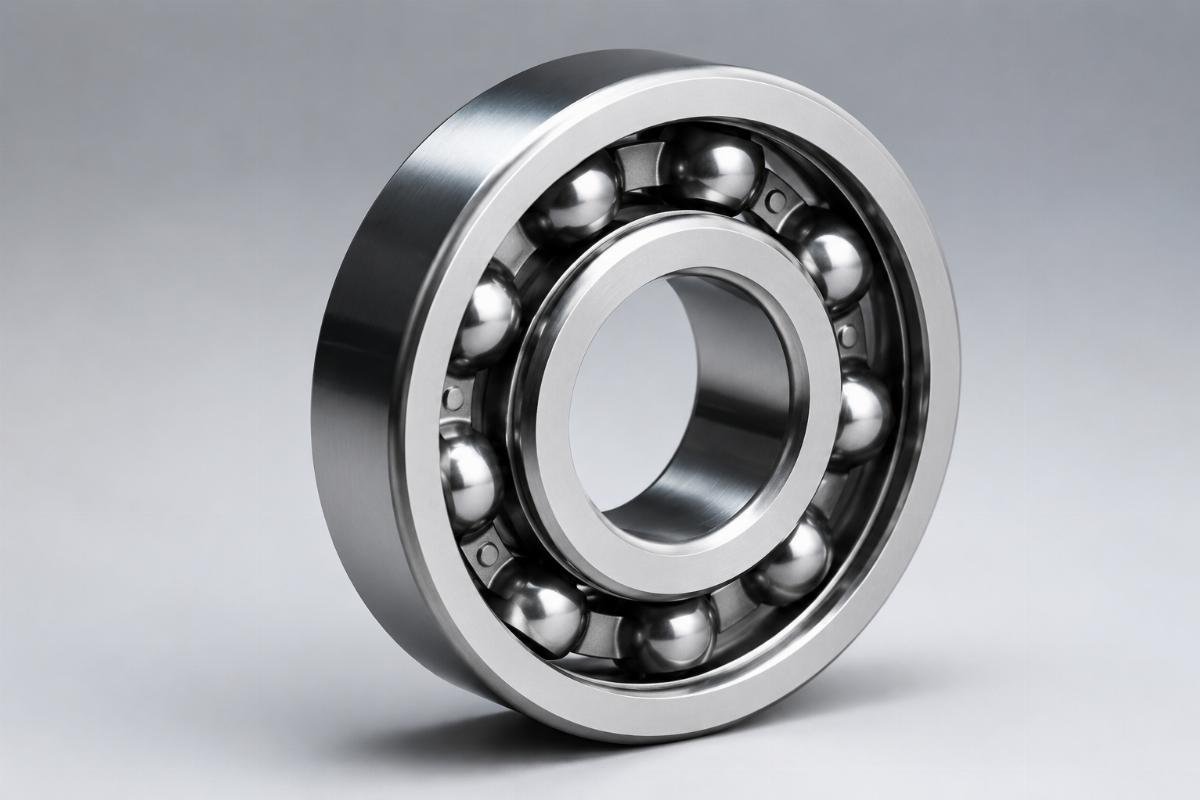
When evaluating a China bearing supplier, request these specific packaging specifications:
- VCI Film Thickness – Specify minimum thickness with appropriate corrosion inhibitor concentration for marine transit
- Moisture Barrier Rating – Require packaging with water vapor transmission rate below critical thresholds at elevated temperature and humidity
- Salt Spray Testing – Demand ISO 9227 certification with minimum neutral salt spray exposure without corrosion
- Humidity Indicator – Include humidity indicator cards that change color at critical RH levels to verify package integrity
- Ventilation Design – Ensure packaging allows controlled air circulation to prevent condensation buildup
How Do Self-Operated Warehouses Accelerate Customs Clearance?
Self-operated warehousing reduces consolidated shipment lead times substantially compared to third-party logistics providers. The ability to manage inventory directly enables a professional China bearing supplier to offer flexible consolidation options, faster order processing, and more reliable documentation—critical factors for industrial distributors and maintenance managers who need to balance cost efficiency with delivery speed.
| Logistics Capability | Common Third-Party Approach | Professional Supplier Solution |
|---|---|---|
| Consolidated Order Processing | Multi-day processing time with multiple handoffs | Rapid processing from dedicated consolidation team |
| Customs Documentation | Generic commercial invoices without batch-specific data | Comprehensive traceability packets including original manufacturer COO and material certifications [NEED_CITE: World Customs Organization trade facilitation guidelines] |
| Emergency Shipping | Limited air freight options with extended delivery | Global air freight network with rapid door-to-door capability for standard bearings |
A regional industrial distributor serving small and medium enterprises in South America needed to consolidate multiple SKUs including NSK deep groove and Timken cylindrical bearings totaling hundreds of units for cost-efficient sea shipping. Using self-operated warehousing facilities, a phased delivery model was implemented that allowed the client to maintain optimal inventory levels while reducing overall logistics costs noticeably.
Most notably, the detailed batch-specific documentation enabled customs clearance in Brazil within two days for a mixed-brand shipment that typically would face extended detention. This performance has been consistent across multiple consecutive shipments, with zero customs incidents and reliable door-to-door delivery as standard.
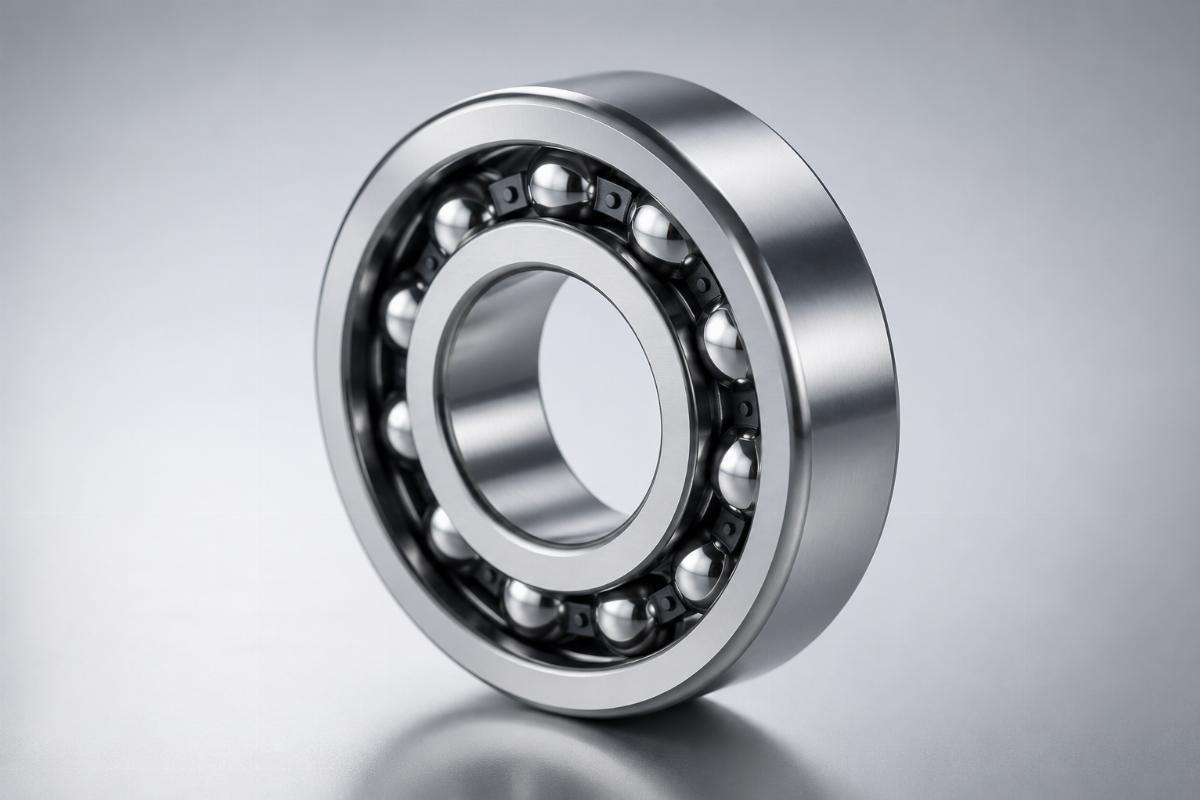
When working with a China bearing supplier, implement these consolidation best practices:
- SKU Analysis – Conduct ABC analysis of your purchase history to identify consolidation candidates
- MOQ Negotiation – Request flexible minimum order quantities for low-turnover SKUs while maintaining bulk pricing
- Documentation Audit – Verify supplier capability to provide batch-specific COO and material certifications
- Transit Time Benchmarking – Compare door-to-door delivery times across multiple shipping routes
- Emergency Protocol – Establish clear procedures for expedited shipping of critical replacement bearings
What Documentation Proves Bearing Authenticity and Compliance?
Traceability from manufacturing source to delivery, including IATF 16949 certifications and DNV approvals, is critical for industrial audits. While initial cost savings might seem attractive, the hidden expenses of rust failures, shipping delays, and customs issues often make the cheapest suppliers the most expensive option over time. Industrial buyers need a structured evaluation framework that goes beyond basic product specifications.
| Evaluation Criterion | Professional Supplier Capability | Non-Professional Supplier Limitation |
|---|---|---|
| Traceability System | Full batch-level traceability from manufacturing source to delivery with digital verification | Limited or no traceability documentation; unable to validate product origin |
| Quality Certification | Dual ISO 9001 and IATF 16949 certification with documented quality control processes | Basic ISO 9001 only or no certification; inconsistent quality control |
| Logistics Network | Multi-region self-operated warehousing with extensive SKU inventory and rapid dispatch | Reliance on third-party warehouses with limited stock and longer lead times |
A marine and offshore procurement specialist required stainless steel deep groove ball bearings (6310 SS) with DNV certification for a saltwater environment. The client had experienced persistent corrosion issues with their previous supplier, who could not provide adequate material certification or traceability documentation.
The solution included bearings manufactured from 440C stainless steel with ceramic rolling elements, complete DNV GL type approval documentation, and test reports confirming extended salt spray test compliance per ASTM B117. Equally important was the ability to provide batch-specific material certificates and manufacturing records, which proved essential for the client’s own certification audit process [NEED_CITE: IATF 16949 standards for bearing quality management systems].
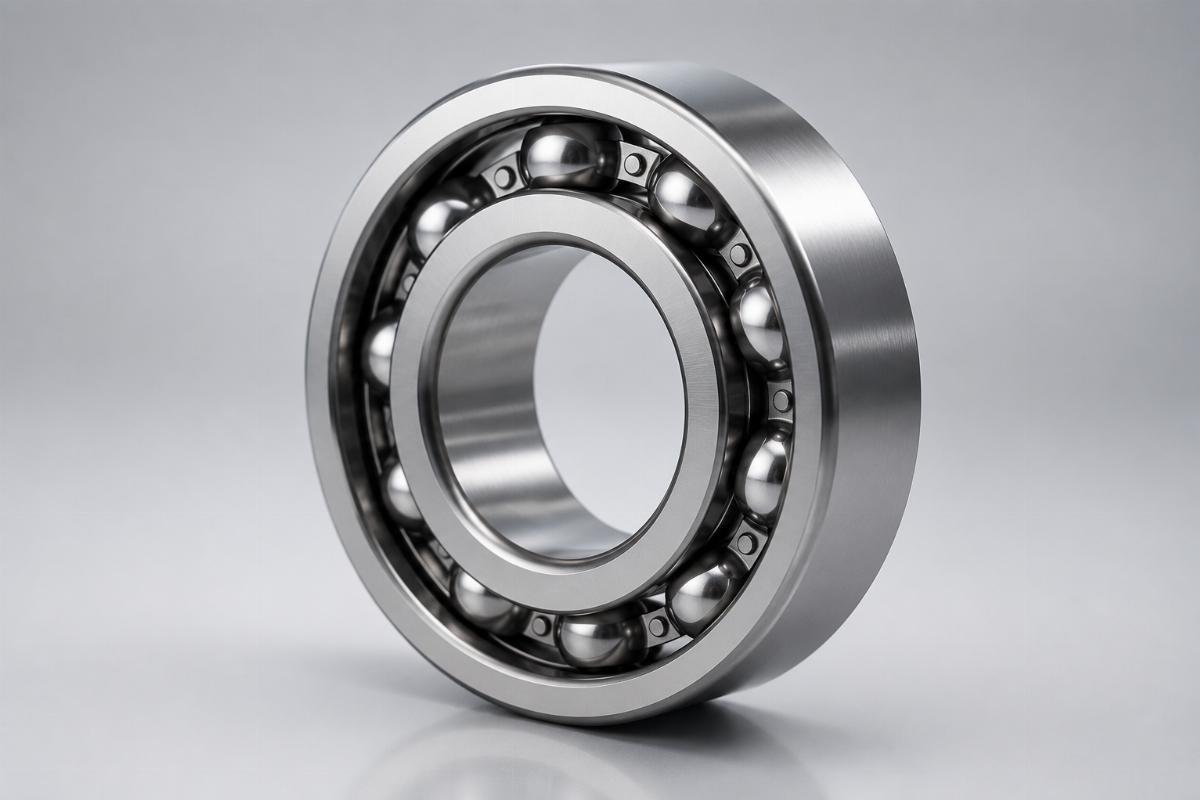
When selecting a China bearing supplier, verify these critical documentation capabilities:
- Traceability Verification – Request batch code validation process and manufacturer cross-reference capability
- Certification Audit – Verify scope of ISO 9001/IATF 16949 certification includes bearing production and testing
- Warehouse Inspection – Conduct virtual or on-site audit of warehousing facilities and inventory management system
- Logistics Case Studies – Review documented performance across multiple consolidated shipments
As an authorized SKF distributor, every shipment includes verifiable batch numbers that can be cross-referenced against SKF records. This level of traceability distinguishes authorized channels from non-certified traders who cannot validate product origin. The full SKF industrial range is available—from precision classes P0/P6/P5/P4 to heavy-duty, high-speed, stainless, and ceramic options—with clearance options C2/CN/C3/C4 across all main types including deep groove ball, tapered roller, spherical roller, cylindrical roller, thrust, and self-aligning bearings.
Conclusion
The difference between successful bearing imports and costly failures lies in packaging engineering, logistics infrastructure, and documentation rigor—not just product specifications. Professional China bearing supplier operations combine VCI packaging systems validated by international standards, self-operated warehousing that enables rapid consolidation and customs clearance, and batch-specific traceability that satisfies industrial audits and customs authorities. These capabilities eliminate the root causes behind rust damage, shipping delays, and customs detention that plague buyers who focus solely on unit price.
