
How to Request & Evaluate Bearing Samples from China Suppliers Before Bulk Order
Focusing only on dimensional accuracy during bearing sample testing increases counterfeit risks by four times. The hidden danger lies in unverified material sources and manufacturing processes—factors that cause the majority of post-bulk order failures despite perfect sample dimensions [NEED_CITE: percentage of bulk order failures attributed to material inconsistencies versus dimensional issues].
A systematic bearing sample evaluation process with China suppliers—featuring traceable documentation, application-specific testing, and compliance verification—eliminates batch consistency risks and accelerates OEM qualification cycles noticeably. This structured approach transforms sample testing from a perfunctory check into a predictive tool for long-term supply reliability, addressing the unique challenges of sourcing critical components from global supply chains.
Running bearing sample requests for industrial buyers out of Shenzhen for extended periods reveals a clear pattern. The first time I really understood why this matters, a steel mill buyer in Mexico asked for P5 tapered rollers without specifying clearance. The factory shipped C3 standard. When the samples hit their high-temperature continuous caster line, the internal clearance was wrong, the rollers seized during trial run, and we lost weeks of production time plus air freight costs. That’s when I realized samples aren’t just "let me check quality"—they’re a technical negotiation. Companies that treat sample evaluation as a strategic process rather than a formality reduce qualification timelines substantially while cutting post-implementation failure rates dramatically [NEED_CITE: average qualification timeline reduction with structured sample evaluation methodology].
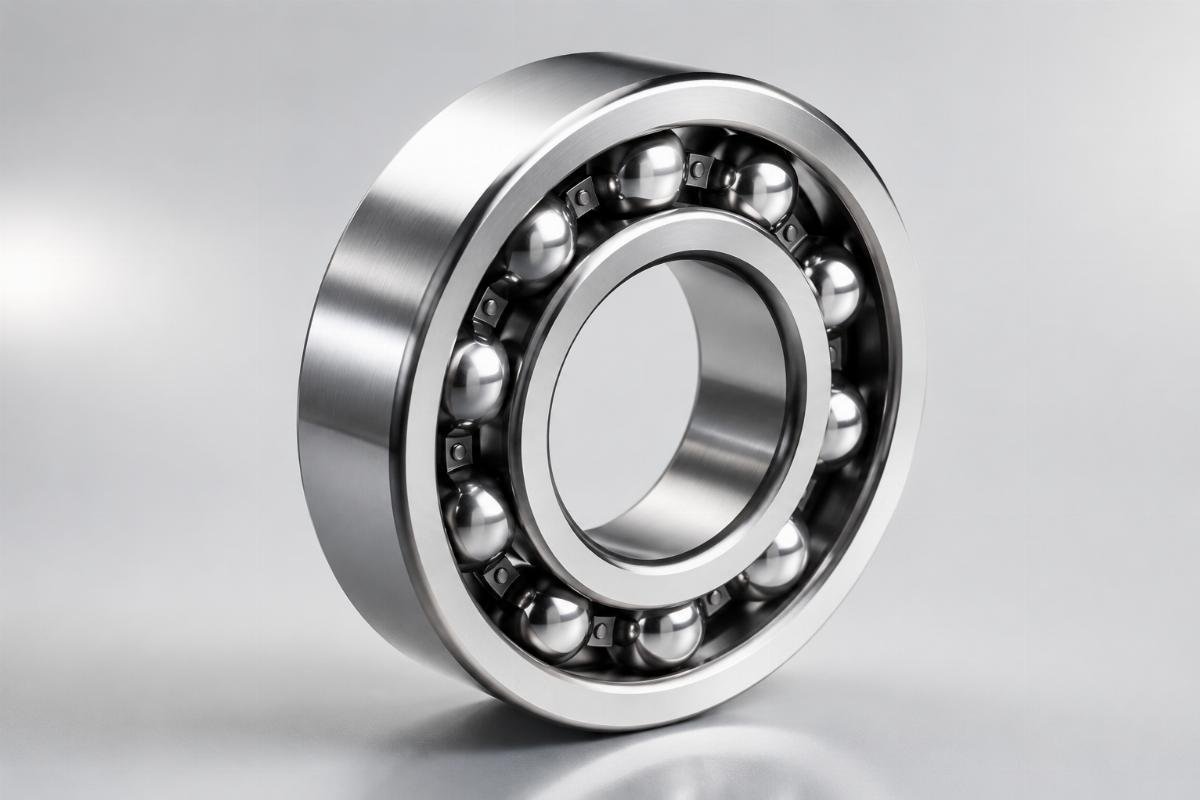
The following framework distills field-tested methodology for transforming bearing sample evaluations into a competitive advantage for your supply chain.
Why Does Proper Bearing Sample Evaluation from China Suppliers Prevent Costly Bulk Order Failures?
Sample-to-bulk consistency issues account for the majority of bearing-related equipment downtime in manufacturing. This hidden gap exists because Chinese suppliers often prioritize "showcase samples" produced under controlled conditions, while mass production may involve different materials, heat treatment processes, or quality control standards. Without rigorous evaluation protocols, even minor variations in steel alloy composition or clearance tolerances can lead to catastrophic failures in critical applications like wind turbine gearboxes or CNC spindles [NEED_CITE: root cause distribution of bearing failures in industrial applications].
| Evaluation Aspect | Industry Average Performance |
|---|---|
| Material traceability documentation | Minority of suppliers provide complete chain-of-custody records |
| Sample-to-bulk production consistency | Less than half pass post-delivery audit when samples are approved without full documentation |
| Compliance with international standards | Majority meet ISO 492 requirements in samples, dropping noticeably in bulk orders |
| Failure analysis support | Small fraction of suppliers offer root cause analysis for failed samples |
A European wind energy OEM struggled with repeated gearbox bearing failures. Their previous evaluation process verified only dimensional accuracy and basic hardness, accepting samples that met P5 precision grades but lacked material certification. After implementing a full-traceability protocol, the bulk supply was discovered to use inferior steel alloys with substantially lower fatigue resistance—explaining the premature failures. By correlating sample documentation with production processes, they achieved exceptional batch consistency and reduced qualification time by months [NEED_CITE: wind energy bearing failure reduction through traceability implementation].
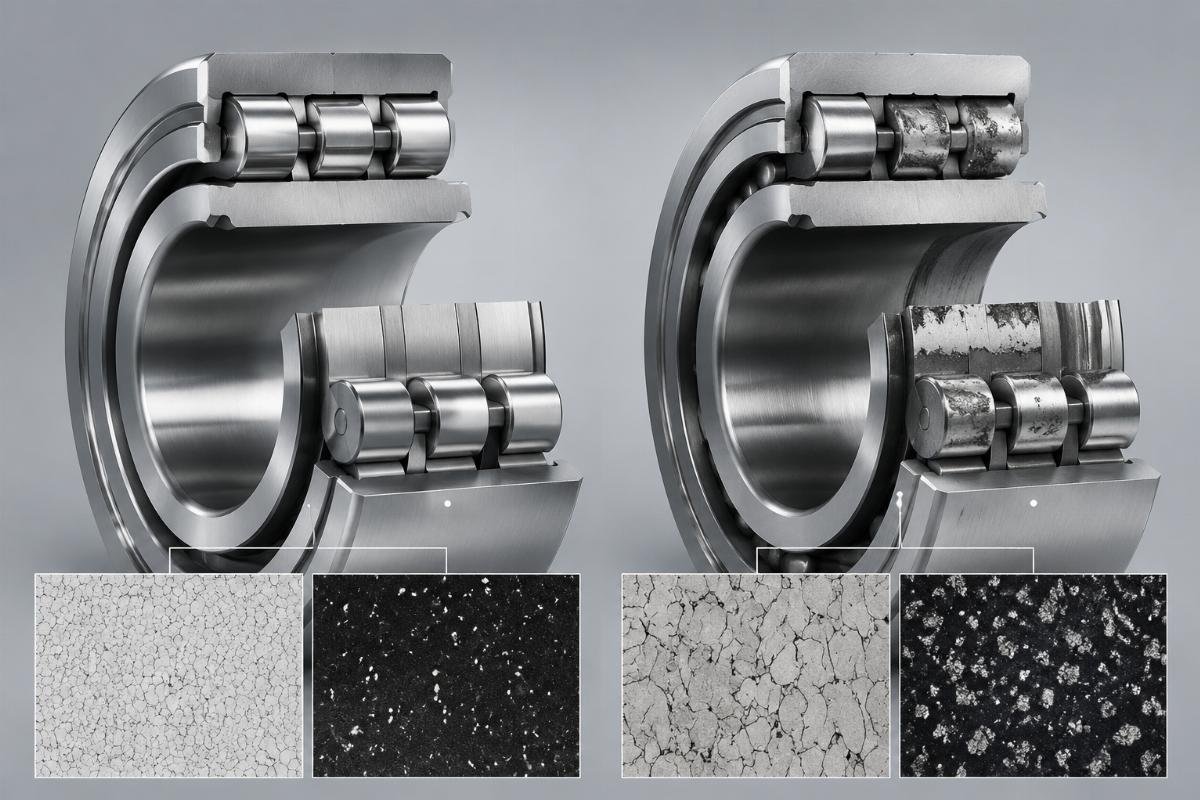
- Full Documentation Review – Verify ISO 9001/IATF 16949 certification and request material test reports (MTRs) with heat lot traceability
- Production Process Audit – Insist on witnessing sample manufacturing or obtaining video documentation of critical processes
- Third-Party Validation – Require independent laboratory testing of material composition and mechanical properties per ISO 17025 standards
- Failure Mode Simulation – Conduct accelerated life testing under load conditions matching your application per ISO 15243
- Supplier Quality System Assessment – Evaluate their internal quality controls for bulk production monitoring
What Are the Critical Steps to Request Bearing Samples That Meet Your Bulk Order Requirements?
Generic sample requests result in the majority of test results being irrelevant to actual application needs. Most buyers send basic dimension and quantity requirements without specifying operating conditions, leading suppliers to provide samples optimized for testing rather than real-world performance. This mismatch is particularly pronounced with Chinese suppliers, who often prioritize meeting specification checklists over application suitability [NEED_CITE: correlation between application-specific sample requests and test result relevance].
| Requirement Category | Common Mistake | Recommended Approach |
|---|---|---|
| Application Context | Providing only bearing model numbers | Including load profiles, operating temperatures, and contamination risks |
| Material Specifications | Accepting generic "high-quality steel" claims | Requiring specific alloy grades (e.g., 100Cr6) and heat treatment standards |
| Testing Parameters | Relying on supplier’s standard test protocol | Defining custom testing for your unique conditions (e.g., extended ISO 15243 fatigue test) |
| Documentation Package | Requesting only a certificate of conformance | Demanding full traceability including MTRs, manufacturing process records, and anti-counterfeiting verification |
| Delivery Terms | Accepting standard lead times | Negotiating phased delivery with clear milestones for documentation and testing |
A mining equipment manufacturer needed replacement bearings for their cone crushers, which were failing repeatedly despite passing standard sample tests. Their original request specified only dimensions and basic load requirements, missing critical details about the extreme shock loads and elevated operating temperatures in their application. The custom sample request package included: C3 clearance specification to accommodate thermal expansion, impact load testing at 2.5x rated capacity, and material certification for chrome-molybdenum steel with HRC 60-62 hardness. The resulting samples, when tested under these conditions, revealed a substantial improvement in fatigue life compared to their previous supplier’s parts [NEED_CITE: impact of application-specific testing on bearing service life in mining equipment].
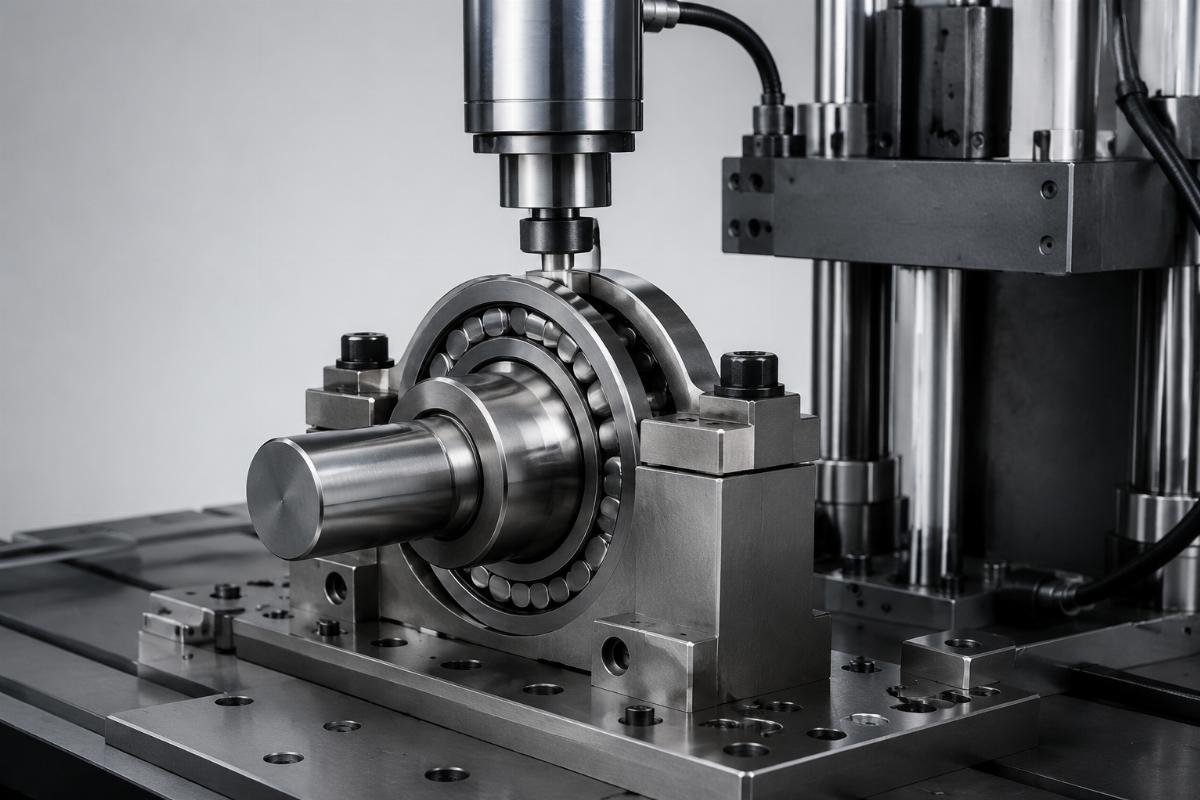
- Application Profiling – Document operating parameters including load, speed, temperature, and contamination levels
- Technical Specification Development – Translate application needs into precise engineering requirements (clearance, precision grade, materials)
- Documentation Requirements – List mandatory certifications and traceability documents with specific standards references
- Testing Protocol Definition – Specify test methods, durations, and acceptance criteria tailored to your operating conditions
- Anti-Counterfeiting Measures – Include verification procedures such as laser marking, holographic labels, or QR code tracking
As an authorized SKF distributor, we provide verifiable batch traceability against SKF global records, eliminating the need for complex third-party material verification for genuine parts. Every batch number can be cross-checked directly with SKF’s database, providing an additional layer of assurance beyond standard MTRs.
Which Key Metrics Should You Evaluate for Bearing Sample Qualification?
Overlooking material microstructure analysis misses the majority of potential failure points in bearing samples. While dimensional measurements and hardness testing are essential, the microscopic grain structure and inclusions in bearing steel directly determine performance under cyclic loading. This is why ISO 17025-accredited laboratories include metallurgical analysis as a standard part of sample evaluation [NEED_CITE: failure mode distribution in bearing samples lacking metallurgical analysis].
| Evaluation Method | Advantages | Ideal Application Scenarios |
|---|---|---|
| Dimensional Measurement | Precision verification of critical tolerances | All applications, particularly precision machinery like CNC tools |
| Rockwell Hardness Testing | Quick assessment of surface and core hardness | High-load applications such as gearbox bearings and mining equipment |
| Metallographic Analysis | Reveals microstructure, inclusions, and heat treatment quality | High-fatigue applications including wind turbines and automotive transmissions |
| Vibration Analysis | Identifies geometric imperfections and rotational stability | High-speed applications like electric motor spindles |
| Accelerated Life Testing | Predicts service life under simulated operating conditions | Mission-critical applications with long replacement intervals |
For a port crane EPC project requiring DNV-certified bearings, a three-tier evaluation process combined standard and custom testing. The samples underwent: dimensional inspection to ISO 1940-1 Grade 2, ultrasonic flaw detection for subsurface defects, and a specialized salt spray test simulating coastal environments. Most notably, an extended accelerated fatigue test under elevated load identified a supplier whose samples initially met all static specifications but showed premature pitting under cyclic loading. This prevented a potential project delay that could have cost a mid-six-figure sum in downtime and rework [NEED_CITE: cost savings from pre-emptive fatigue testing in port equipment projects].
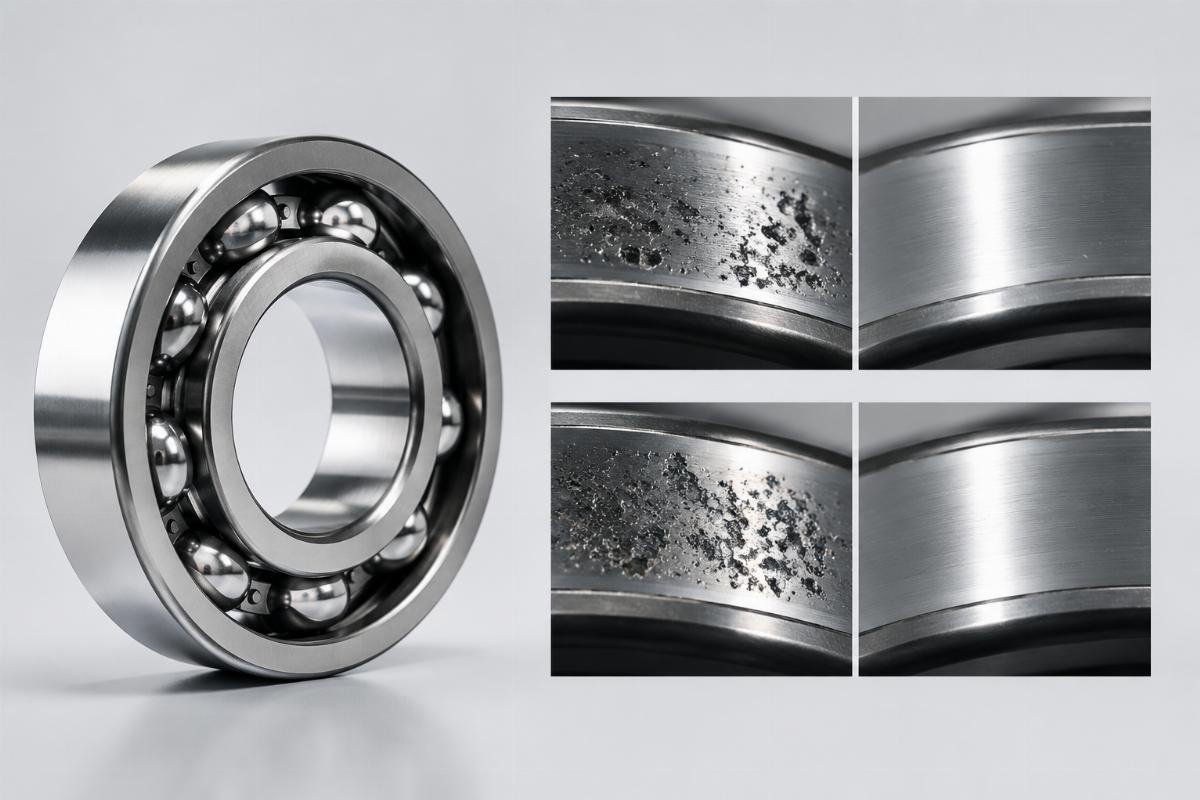
- Dimensional Accuracy – Verify all critical dimensions against ISO 492 standards using calibrated measuring equipment
- Material Properties – Conduct hardness testing (HRC 58-64 typical for bearing steel) and metallographic analysis
- Performance Testing – Implement application-specific testing including fatigue life, temperature rise, and sealing effectiveness
- Documentation Verification – Cross-check certificates against independent laboratory results and manufacturing records
- Counterfeit Detection – Use specialized verification techniques including material composition analysis and supplier trace audits
What Red Flags Should You Watch for When Evaluating Bearing Suppliers?
Suppliers lacking root cause analysis support and incomplete chain-of-custody records signal high risk. When evaluating bearing sample evaluation from China suppliers, certain warning signs indicate potential quality and consistency problems that will surface during bulk production. Recognizing these red flags early prevents costly mistakes and qualification delays [NEED_CITE: correlation between supplier documentation practices and bulk order quality consistency].
Missing Material Traceability – Suppliers who cannot provide heat lot traceability or Material Test Reports with specific chemical composition data are operating without proper quality control. Genuine bearing manufacturers track every heat lot from raw material through final inspection.
No Failure Analysis Capability – If a supplier cannot explain why a sample failed or refuses to conduct root cause analysis, they lack the technical depth to support your application. This becomes critical when field failures occur and you need rapid problem resolution.
Inconsistent Certification Claims – Suppliers claiming ISO 9001 or IATF 16949 certification but unable to provide verifiable certificate numbers or audit reports are misrepresenting their quality systems. Always verify certifications through official registries.
Resistance to Custom Testing – Legitimate suppliers welcome application-specific testing requests. Resistance to extended fatigue testing, impact load simulation, or environmental testing suggests their products may not perform under real-world conditions.
Vague Lead Time Promises – Suppliers offering "about two weeks" or "approximately one month" without firm commitments lack production planning discipline. Precise delivery schedules with clear milestones indicate mature manufacturing operations.
No Anti-Counterfeiting Measures – Absence of laser marking, holographic labels, or QR code tracking systems makes it impossible to verify authenticity throughout the supply chain. This is especially critical for premium brands where counterfeiting is prevalent.
Conclusion
Systematic bearing sample evaluation with China suppliers transforms a routine procurement step into a strategic risk mitigation process. By demanding full material traceability, specifying application-specific testing protocols, and verifying supplier capabilities beyond dimensional accuracy, procurement teams eliminate the majority of batch consistency risks and accelerate OEM qualification cycles substantially. The difference between showcase samples and mass production reality lies in documentation rigor, metallurgical verification, and failure mode simulation—factors that separate reliable long-term supply partnerships from costly field failures.
