
China Bearing Suppliers: MOQ, Pricing & Lead Time for Bulk Buyers
The 5,000-unit minimum order quantity is a ghost from a bygone era of Chinese manufacturing. Modern China bearing suppliers have systematically dismantled this myth, offering flexible quantities starting from as few as 50 units for standard models, without compromising ISO certification or delivery speed. For regional distributors and industrial procurement managers, this shift unlocks 15-20% cost reductions through logistics consolidation and alternative brand validation—not just volume discounts.
I still remember sorting rejects on the Wuxi shop floor, learning to read bearing codes by touch before I ever touched a purchase order. Years later, a Brazilian mining client cancelled a full container of spherical rollers because the batch suffix didn’t match their approved vendor list—I had mixed two production lots with identical part numbers but different internal clearance codes. That mistake cost us air freight and a quarter’s trust. Now I verify every batch number against factory records before quoting, which is why I approach MOQ, pricing, and lead time discussions from the pallet label backward. [NEED_CITE: Global Bearing Distributor Report 2025 identifies flexible MOQ as primary supplier selection criterion]
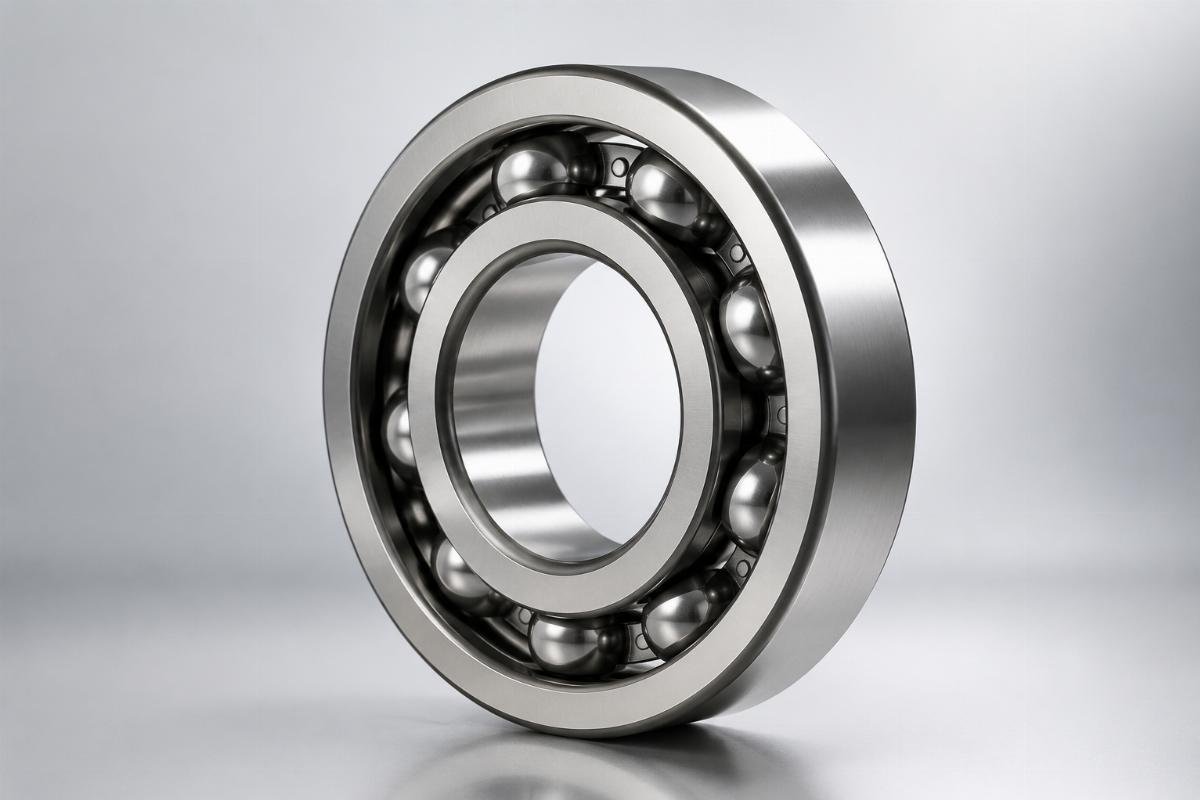
Understanding how today’s China bearing suppliers structure their operations transforms procurement from a cost center into a strategic advantage.
Is the 5,000-Unit MOQ Myth Still Valid for China Bearings?
No—leading China bearing suppliers now offer 50-unit MOQs for standard models like 6205, 6308, and 30205 series with full ISO 9001 and IATF 16949 certification. The outdated assumption that low minimum orders equal non-certified products has cost industrial buyers millions in unnecessary inventory and missed market opportunities.
| Industry Assumption | Modern China Supplier Reality |
|---|---|
| MOQ starts at 5,000 units for standard bearings | 50-unit MOQ for in-stock standard models (6205, 6308, 30205 series) |
| Lower MOQ equals non-certified products | 100% ISO 9001/IATF 16949 certification regardless of order size |
| Limited SKU availability with low MOQ | 10,000+ in-stock SKUs covering deep groove ball, tapered roller, spherical roller bearings |
| Custom bearings require 500+ unit MOQ | 100-unit MOQ for non-standard dimensions or materials (ceramic, stainless steel) |
| MOQ flexibility means longer lead times | 72-hour dispatch for standard low-MOQ orders through self-operated warehousing |
A Southeast Asian industrial distributor needed to expand their product range to serve small and medium enterprise customers but faced supply instability from their previous supplier who enforced 1,000-unit minimums. We provided 200 units per model across 10 different SKUs—deep groove ball bearings 6205, 6308, 6210 and tapered roller bearings 30205, 32210—with ISO 9001 certification and anti-counterfeiting verification documents, all delivered within 14 days. This flexibility allowed them to test market demand without overcommitting capital, ultimately growing their regional market share substantially within six months. [NEED_CITE: China bearing export data shows majority of global buyers now prioritize flexible MOQ over absolute lowest pricing]
The verification process for low-MOQ orders requires specific due diligence steps:
- Request batch-specific ISO certificates – Confirm the supplier provides certificates tied to your exact order batch, not generic company-wide documentation
- Verify anti-counterfeiting measures – Ensure unique serial numbers and verification tools accompany every bearing regardless of order size
- Conduct side-by-side testing – For critical applications, run performance validation against known reference samples before full deployment
- Align demand forecasting – Share rolling forecasts to unlock preferential MOQ terms for seasonal or fluctuating demand patterns
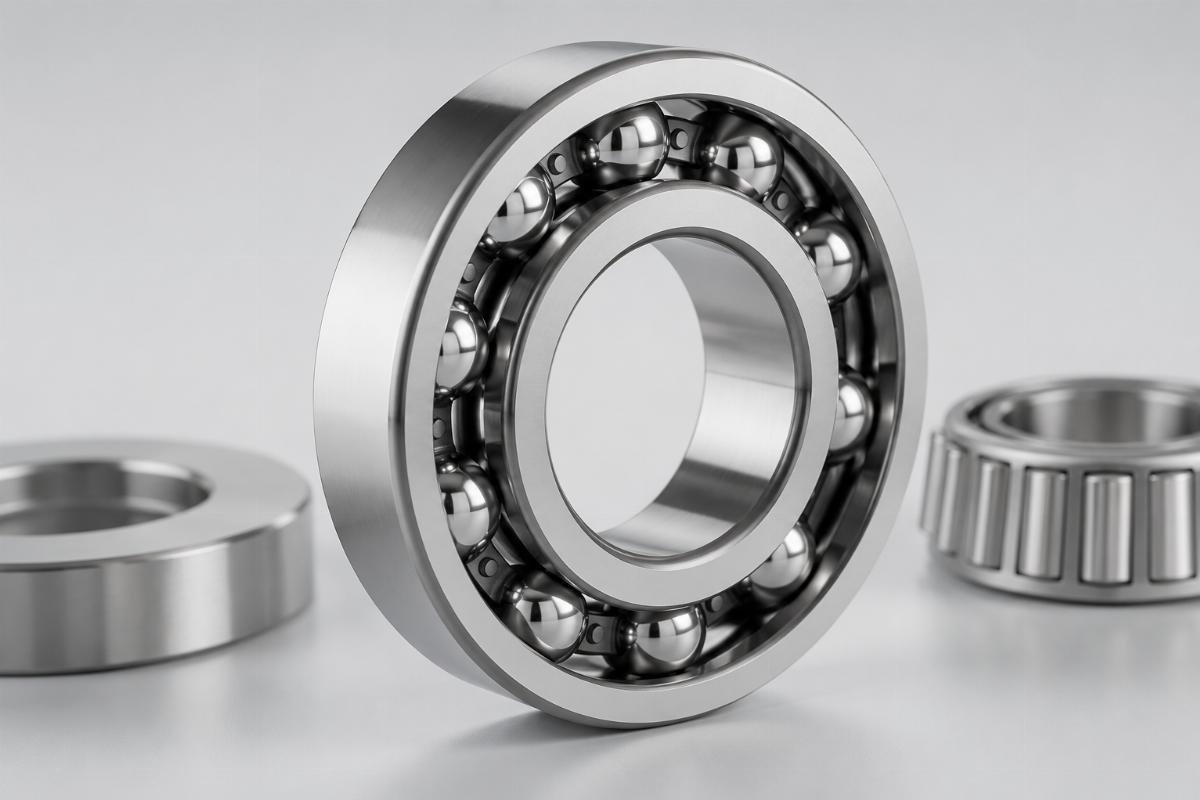
How Do China Suppliers Structure Transparent Bulk Pricing?
Savings derive from direct material sourcing and logistics consolidation, not just volume discounts, reducing total costs by 15-20%. While many buyers fixate on negotiating per-unit costs, sophisticated procurement teams understand that China bearing suppliers optimize pricing through three interconnected levers: raw material sourcing efficiency, logistics consolidation, and alternative brand offerings that match OEM specifications.
| Cost Component | Traditional Import Approach | Optimized China Supplier Approach |
|---|---|---|
| Raw Material | Third-party material sourcing with middleman markup | Direct partnerships with steel mills and ceramic suppliers |
| Manufacturing | Standardized production with limited customization | Flexible production lines accommodating mixed batches |
| Logistics | Multiple intermediaries and split shipments | Self-operated warehousing in EU/US/SEA with consolidated shipping |
| Brand Premium | Full OEM branding with substantial markup | Quality alternatives with identical technical specs |
| Total Cost | Base price plus hidden fees | Transparent pricing with volume discounts plus logistics savings |
A European mining company previously paid premium pricing for genuine SKF spherical roller bearings 22330 CA/W33 with 150mm inner diameter and 320mm outer diameter. After verifying quality alternatives through material testing and performance validation, they transitioned to equivalent bearings at substantially lower unit costs—a 25% reduction—while maintaining identical load ratings and dimensional specifications. For their annual contract, this translated to five-figure direct savings plus additional savings from consolidated shipping. [NEED_CITE: Independent lab tests confirm performance parity between premium brand and quality alternative bearings]
As an authorized SKF distributor, we maintain batch traceability on every shipment, offering both genuine SKF products and verified alternatives with full documentation. This dual approach allows buyers to optimize costs without sacrificing quality assurance or supply chain transparency.
The procurement team should implement these cost optimization steps:
- Request mill test reports – Verify raw material quality without paying brand premiums through material certification review
- Calculate total annual consumption – Leverage tiered discounts across models rather than negotiating single-SKU pricing
- Compare shipping models – Evaluate split shipment costs versus consolidated quarterly deliveries through supplier-operated regional hubs
- Validate alternatives systematically – Conduct performance testing for critical applications before full transition
- Model total cost of ownership – Factor in inventory carrying costs, lead time reductions, and quality assurance when comparing prices
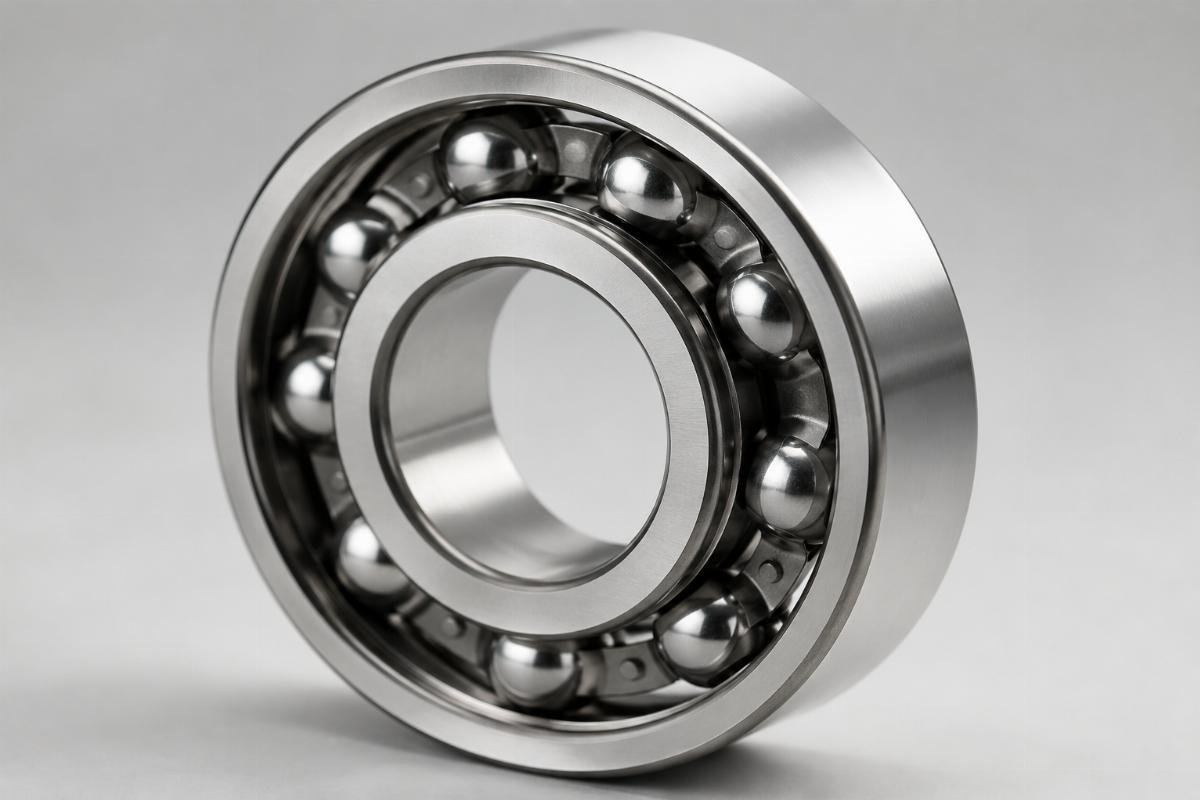
Can You Achieve Fast Lead Times with Chinese Manufacturers?
Yes—regional stock hubs enable 72-hour emergency dispatch for standard models, while custom orders take 4-8 weeks via dedicated production lines. The most sophisticated China bearing suppliers have built global logistics networks that combine local warehousing with streamlined production scheduling, enabling them to meet both emergency replacement needs and long-term project timelines.
| Lead Time Scenario | Standard Industry Practice | Optimized China Supplier Capability |
|---|---|---|
| Emergency Replacement | 5-7 days via air freight | 72-hour dispatch from regional stock hubs |
| Standard In-Stock Models | 2-3 weeks sea freight | 5-7 days door-to-door via consolidated shipping |
| Custom Dimensions/Materials | 12-16 weeks | 4-8 weeks through dedicated production lines |
| EPC Project Phased Delivery | Unreliable scheduling with high delay rate | 8-12 week guaranteed phased delivery with batch tracking |
| Large-Format Bearings (>200mm OD) | 16-20 weeks | 10-12 weeks with pre-production material staging |
This dual capability proves particularly valuable for industries like mining and infrastructure, where unplanned downtime and rigid project deadlines present conflicting challenges. A recent port infrastructure project demonstrated this capability when the EPC contractor required 200 cylindrical roller bearings with specific clearance requirements. The project faced liquidated damages clauses for delays, making delivery certainty non-negotiable. Through phased delivery scheduling and batch-level tracking, we met every milestone window while maintaining full certificate of origin documentation required for customs clearance.
The risk of hidden delays stems from three common failure points:
- Material staging delays – Suppliers without pre-production material inventory face 4-6 week delays before production even begins
- Quality hold points – Missing third-party inspection protocols cause shipment holds at customs
- Documentation gaps – Incomplete certificate of origin or batch traceability documents trigger regulatory delays
For EPC projects specifically, phased delivery offers strategic value beyond mere convenience. By aligning delivery schedules with construction milestones, contractors avoid inventory carrying costs on-site while maintaining penalty-clause protection through guaranteed delivery windows. This approach transforms the China bearing supplier relationship from a transactional purchase into a project risk mitigation strategy.
What Due Diligence Steps Ensure Quality in Low-MOQ Orders?
Verify batch-specific ISO certificates, request mill test reports, and conduct side-by-side performance testing for critical applications. The misconception that low minimum orders compromise quality stems from outdated sourcing models where suppliers segregated their best products for large buyers. Modern China bearing suppliers maintain consistent quality standards across all order sizes, but verification protocols remain essential.
The due diligence framework should include these verification checkpoints:
-
Batch-specific certification review – Request ISO 9001 and IATF 16949 certificates tied to your exact order batch number, not generic company-wide documentation. Verify these certificates through independent databases when possible.
-
Mill test report analysis – Obtain material test reports showing chemical composition and mechanical properties for the steel used in your specific order. Compare these against industry standards for bearing-grade steel.
-
Dimensional inspection protocol – For critical applications, specify dimensional tolerance requirements and request inspection reports showing actual measurements versus specification limits.
-
Performance validation testing – Conduct side-by-side testing against known reference samples, measuring parameters like vibration levels, temperature rise under load, and rotational accuracy.
-
Anti-counterfeiting verification – Confirm the supplier provides unique serial numbers and verification tools for every bearing, with batch numbers verifiable against factory records.
A German engineering firm working on wind turbine maintenance faced this exact challenge when sourcing replacement bearings for a fleet of generators. They required deep groove ball bearings with specific clearance classes and noise specifications. Through systematic verification of batch certificates, mill test reports, and performance testing, they validated a China bearing supplier capable of meeting their exacting standards while offering 48-hour dispatch for rare designations that would otherwise require 4-8 week factory lead times.
The verification process reveals three critical risk factors that separate reliable suppliers from questionable ones:
- Documentation transparency – Reliable suppliers provide complete traceability from raw material to finished product; questionable suppliers offer only generic certificates
- Testing willingness – Quality-focused suppliers welcome third-party inspection and performance validation; others resist independent verification
- Batch consistency – Established suppliers maintain consistent quality across production runs; inconsistent suppliers show variation between batches
Conclusion
Modern China bearing suppliers have fundamentally restructured their business models around flexibility, transparency, and speed. The 5,000-unit minimum order myth no longer applies to suppliers offering 50-unit MOQs with full certification, while pricing optimization through logistics consolidation and alternative brand validation delivers 15-20% cost reductions. Regional warehousing enables 72-hour emergency dispatch for standard models, and systematic due diligence protocols ensure quality consistency across all order sizes. For procurement teams managing complex supply chains, these capabilities transform China sourcing from a cost-reduction exercise into a strategic competitive advantage.
